Commercial Roofing in Neighborhood Nine, Cambridge, MA
Review commercial and institutional roofs in Neighborhood Nine, Cambridge, MA, with drainage checks, repair planning, and clear access coordination.
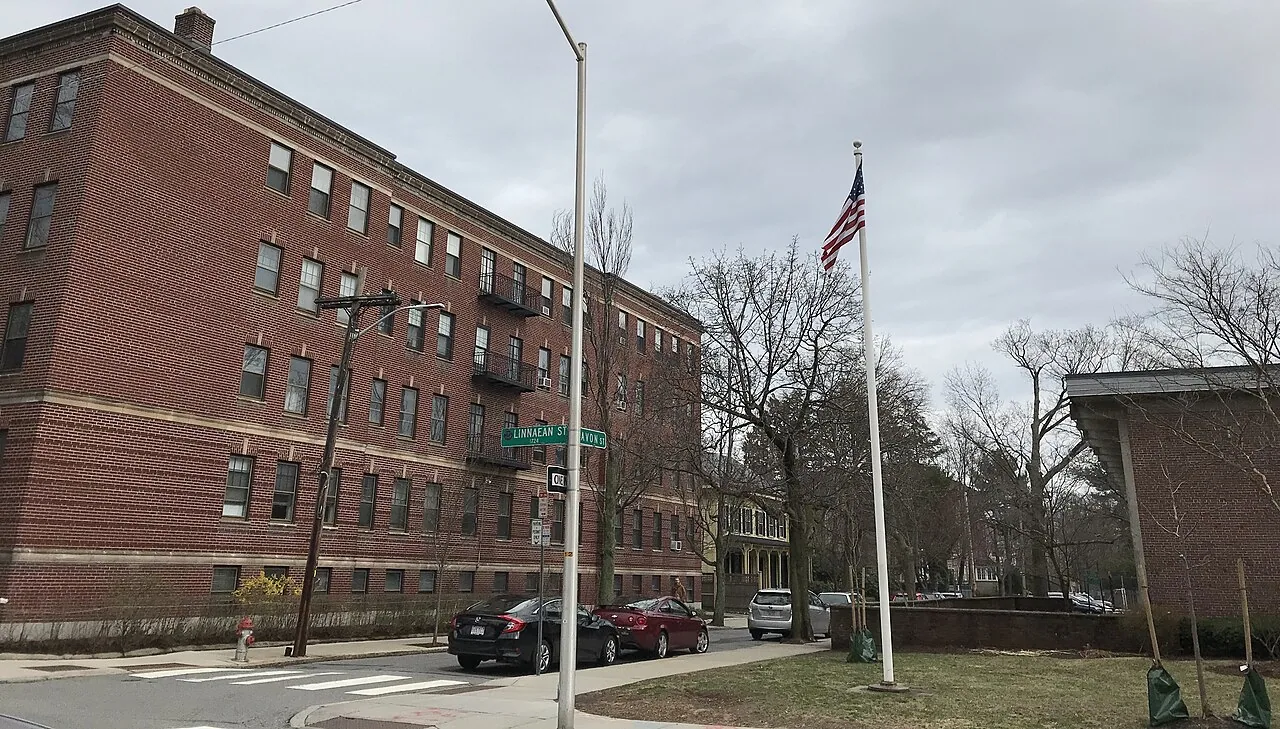
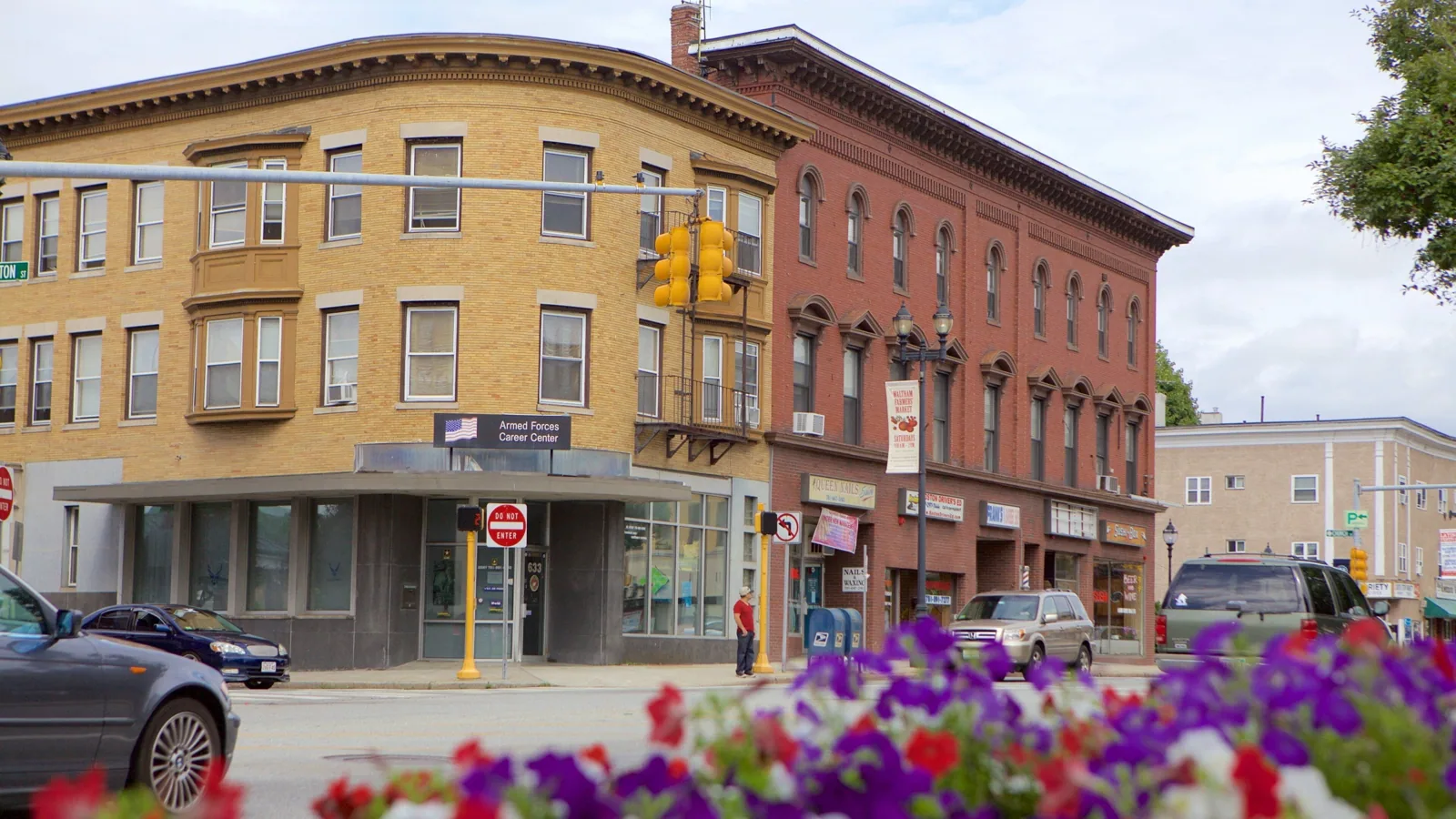
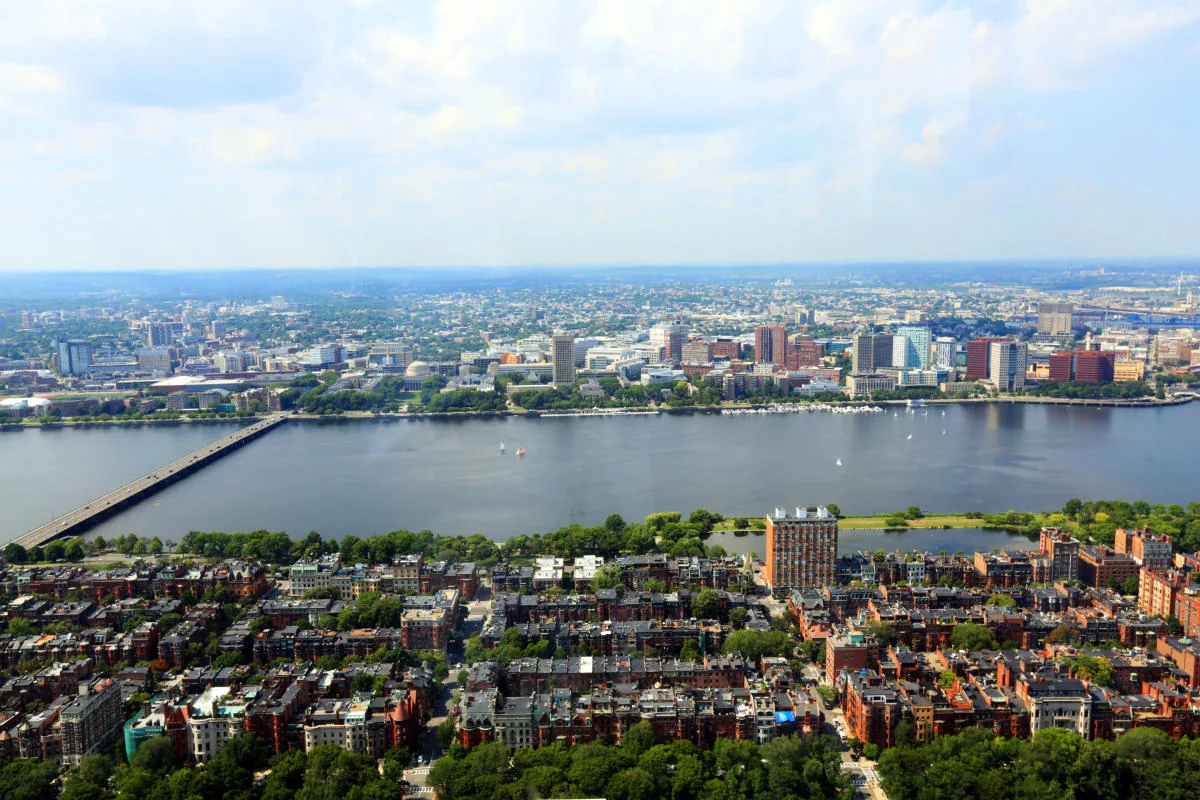
A roof drain that sits below a retail parapet can collect runoff that would otherwise pass toward an overflow. Neighborhood Nine, Cambridge, MA, is served by Harvard Square and Porter Square at two corners, with Massachusetts Avenue as a principal commercial area and a smaller strip along Concord Avenue. Fresh Pond Shopping Center provides regional retail, and Harvard University has academic and student-housing facilities in the neighborhood. Those facts describe a broad service area; they do not establish which roof type, tenant, or access route belongs to one address. We start with the building identifier and roof plan, then connect the reported interior condition with drains, curbs, seams, and perimeter details. The City reports Cambridge winters are trending toward more thaw-freeze swings, heavier precipitation, and more frequent flooding. We factor those conditions into the roof walk and daily closure, while the building's observed assembly determines the repair recommendation.
What should the first roof record show?
We mark the property, roof section, access point, membrane if confirmed, equipment, drain bowls, scuppers, parapets, and any recent work visible on the surface. A roof serving retail, student housing, or academic space may have a different work window, but the property contact confirms which restrictions apply. We do not assume that Fresh Pond Shopping Center or Harvard's presence tells us what is installed on another building. Where access is limited, the report names the area and why it could not be examined. A commercial inspection pairs a wider roof view with detail photographs so a manager can distinguish overall condition from a defect. We note whether each statement is visual, based on records, or confirmed with a test. Drainage review includes the outlet and overflow, not only debris at the strainer, because the path downstream determines whether water can leave the roof.
How do we separate an interior symptom from a roof source?
The room, timing, and weather report establish a place to begin, not an automatic repair point. Water can move under a membrane or along a deck before appearing at a ceiling, so we compare the room to the plan, roof pitch, seams, equipment curbs, and outlets. A crack beside one curb may be unrelated to a stain farther inside. If several plausible routes remain, we identify a scan or test opening that can settle the next step. A moisture survey can map a pattern under suitable conditions, while a test opening records the layers and substrate at the chosen location. We define the limits of each result and label any area still hidden or untested. That distinction helps avoid replacing sound material based on a nearby mark or calling one dry test location proof that an entire roof is dry.
What changes the choice between patch and larger work?
A repair can remain local when the membrane is identifiable, surrounding material is sound, and the tie-in can reach a stable boundary. Wet insulation, repeated seam separation, a soft deck, poor drainage, or deteriorated edge metal can require broader investigation. We record the existing layer count, attachment, curb height, drain elevation, metal transitions, and any moisture evidence before comparing options. A recover adds height and must preserve overflow capacity and clearances. A coating calls for an appropriate prepared surface and compatible details. Replacement includes removal limits and a weather plan for each exposed section. A ponding-water assessment can follow the low area to the outlet, and a recover review can confirm whether layers and drainage support overlay. Estimates separate confirmed quantities from test-dependent allowances so the owner sees what would alter the price or schedule.
How can work be divided around retail and campus activity?
The work sequence begins with roof and interior access, a material route, protection below, and a defined stop point if conditions change. The property contact identifies retail hours, housing needs, academic activity, deliveries, and equipment that must continue. Massachusetts Avenue and Concord Avenue are commercial references for the area, not permission to stage at a particular curb or building. We confirm the actual route and coordinate any lift, ladder, or temporary closure before mobilizing. Cambridge's climate guidance describes heavier precipitation and additional thaw-freeze swings, so exposed work needs a reliable daily seal and a restart inspection. An occupied-building sequence can set the roof sections and handoffs. We record the condition beneath a test opening, protect the interior, and photograph the closed detail. If another trade changes a curb or support, the record states who must complete the flashing tie-in and when the roof can be returned to service. We also verify that a temporary barrier, tool, or material bundle has not narrowed the water path to an overflow. Before ending each shift, the crew checks the termination, fasteners, and roof-side protection at the work edge. The owner receives a concise status for sections finished, sections held for access, and any test that changed the original scope.
Which details should a follow-up revisit?
Track drains, overflows, seam repairs, edge metal, curb flashing, and any area that remained inaccessible. The file should include the roof plan revision, system record, dates, test results, photographs, repair material, and the limits accepted by the owner. Neighborhood Nine also has distinct references at Harvard Square and Porter Square; a manager may use one portfolio calendar, but findings stay assigned to the correct address and section. A condition report can separate immediate maintenance from later replacement planning. On a return visit, we compare the repaired detail with the previous photo, confirm the outlet remains clear, and record whether a new equipment change disturbed the membrane. The status field should say inspected, repaired, deferred, or blocked from access, rather than leave the next operator to guess what the prior note meant.
What makes a leak call actionable?
Share the Neighborhood Nine address, roof plan or system records, interior room and leak timing, prior repair notes, and the contact who can release roof access. Identify whether the affected space is retail, residential, academic, or office, and note any equipment limits. For active water entry, emergency dispatch can go out after hours, on weekends, and holidays. The first response can reduce exposure and document the affected section; permanent work follows after the assembly and repair boundary are confirmed. The closeout names what was seen, what was tested, what was fixed, and what could not be reached. Schedule and cost depend on the material and substrate, access, staging, weather, interior protection, and coordination with other trades. If a test opening or equipment release remains necessary, the written scope assigns that next step before a larger repair is authorized.
Commercial Roofing Questions
Does the shopping center describe roofs on nearby buildings?
No. It is a regional retail reference in Neighborhood Nine, not evidence about another building’s roof type, age, or condition. We inspect and document each property.
What do you check when water pools near a parapet?
We inspect the low area, drain bowl, overflow, membrane termination, and elevations leading to the outlet. If water remains after debris is cleared, we document what additional slope or deck review is needed.
Can a roof scan confirm the leak source by itself?
A scan can help locate a pattern that may indicate moisture, under suitable conditions. A targeted opening or other test may still be needed to confirm the assembly and set the repair limit.
Can repairs be separated by roof section?
Yes, when each section can be protected and closed safely. We identify access, interior protection, drain paths, and the restart point before dividing the work.
What should be included with a service request?
Send the address, roof plan or system information, interior report, access contact, and work window. Include previous repairs and any retail, housing, academic, or equipment restrictions that affect the visit.
Related Roofing Work
More Service Areas
Browse every page in Service Areas, or request a roof assessment and we will walk the roof with you.
Start with the affected roof section
Send the Neighborhood Nine address, roof plan or system records, reported condition, access contact, and work window. We will document the likely path, test, and repair boundary.