
Commercial Roofing in Inman Square, Cambridge, MA
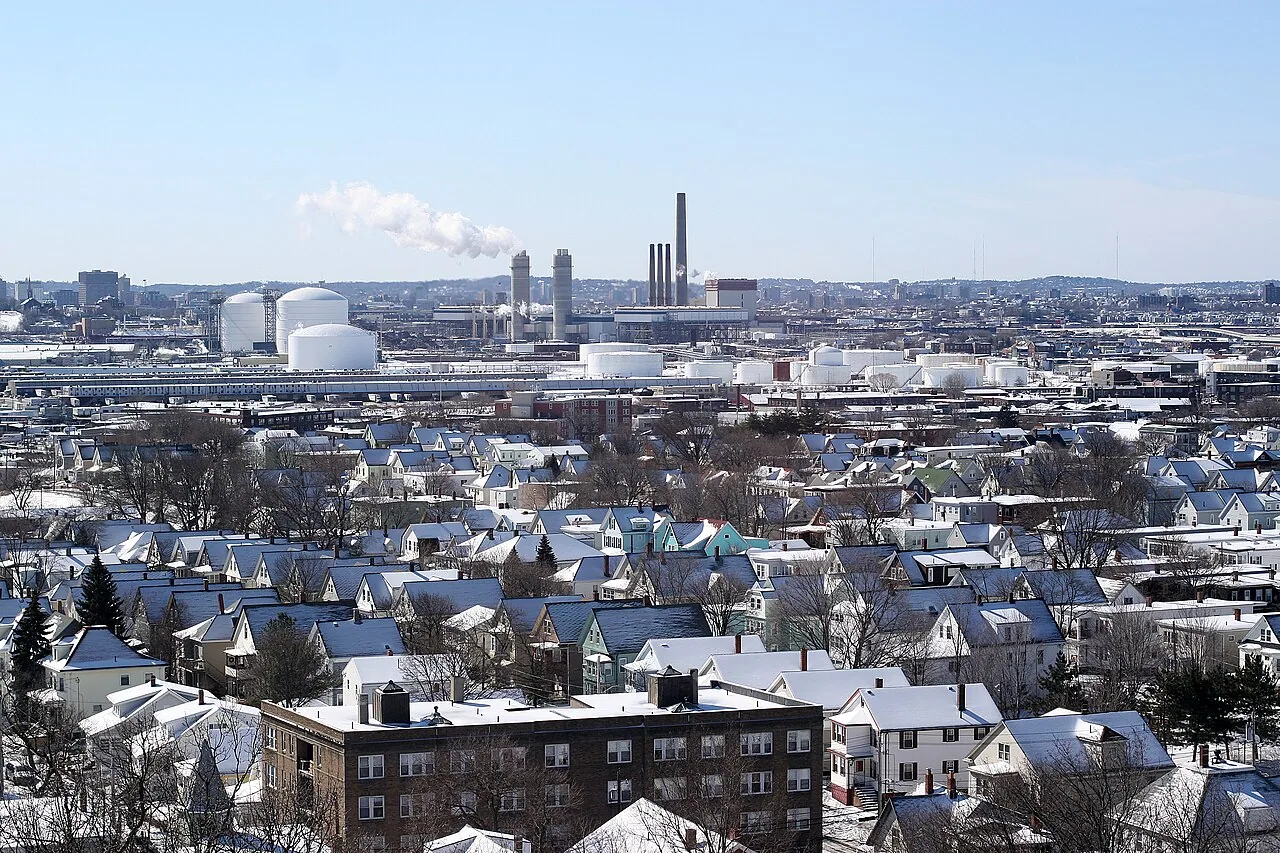
Inspect Inman Square commercial roofs for flashing, exhaust, drainage, and seam issues with building-specific work windows and roof-section records.
A roof exhaust curb with a split corner flashing can pass water beneath the membrane before a dining room ceiling shows a mark. Inman Square, Cambridge, MA combines housing with ground-floor retail on Cambridge Street, including restaurants, personal services, specialty shops, locally owned banks, hardware stores, and creative retail. The district also includes a community bathhouse and an artist-run live-jazz venue. Those uses can affect access, exhaust operation, and scheduling, but they do not establish the condition of a particular roof. We start with the address, reported interior location, roof plan, and access contact, then check the connected curb, seams, edges, and drains. Cambridge's winter guidance notes more thaw-freeze swings and heavier precipitation, so water paths and terminations stay in the inspection record.
Which wall or roofline carries the stain?
A leak inside a restaurant or shop may enter at a nearby exhaust, a pipe sleeve, a parapet, or a seam beyond the room. We mark the interior report on the plan and follow the roof's slope, low points, and connected flashings before deciding where to open material. Restaurants can have exhaust and intake equipment, while a bank or personal-service space may have different access hours; the property contact confirms each building's requirements. We do not infer a roof type from the business category. A commercial roof inspection identifies visible membrane, seam, curb, and drain conditions and states which surface was unavailable or concealed.
How does an exhaust detail affect the membrane?
Grease, vibration, condensate, and service traffic may be relevant around some exhaust equipment, but the actual condition needs to be checked at the curb and sheet. We inspect metal joints, corner flashing, fasteners, sealant, nearby seams, and the water path toward a drain. If staining repeats after the visible gap is closed, moisture may be moving below the membrane or arriving from another connection. We record the finding, use a moisture scan where the construction and weather permit, and mark any test opening separately. Business use alone will not establish an exhaust's operating history or roof construction. The roof and equipment log for the inspected address control the diagnosis. Around a kitchen exhaust, residue or repeated service can affect the surface where flashing bonds, so we inspect preparation conditions before applying a patch. We also look for movement where the duct, curb, and membrane meet and check whether the flashing turns up high enough at each corner. If an exhaust unit has been replaced or shifted, its work record can identify new fasteners or abandoned openings. We photograph that connection and mark which metal or membrane component is included in the roofing scope. If the exhaust equipment itself needs service, we identify the interface and coordinate the roofing boundary with the building's equipment contact rather than treating the mechanical repair as roofing work.

What can be repaired without changing the roof field?
A sound membrane around one failed curb may support a focused flashing repair. If the sheet is brittle, seams are opening in several locations, or insulation is wet, the scope may extend to a larger section. We document the membrane type, layer count, substrate, attachment evidence, drain and overflow height, and perimeter transition. A flashing repair should identify which curb or wall detail is included; a seam repair needs its own preparation and test record. If a recover is considered, we check how added height affects bowls, scuppers, curbs, and parapets. The owner receives the facts that support each option and the test or design decision that remains. Access hours, debris control, interior protection, and material preparation also affect the sequence and cost, so we list those requirements with the roof quantities instead of burying them in a broad allowance.
How does a work window protect the space below?
Before removing a flashing or cutting a seam, we identify the room below, confirm roof access, and set a temporary closeout plan for the work period. Restaurants, shops, banks, and creative businesses may have different delivery and noise windows, so the property contact provides the operating schedule. We keep debris out of drain bowls, protect exposed insulation, and note whether a test requires an observer inside. Cambridge reports heavier precipitation and more freeze-thaw variation during winter; a wet substrate can delay a permanent seam even if temporary protection is in place. An occupied-building work sequence can divide the repair into labeled areas and show which one is safe to return to service.
What changes the scope after the first visit?
A hidden layer, wet insulation, a deteriorated deck, or an inaccessible curb can change a repair boundary after a test opening. We record the initial observation, what the opening exposed, how it was closed, and which detail still needs confirmation. Material availability and a safe access window can also affect the return visit, especially when exhaust operation or interior activity cannot pause on demand. Nearby The Port and East Cambridge have distinct building records; a property manager should keep access instructions with the Inman Square address. That way, the next crew can verify the same route and roof section rather than repeating an incomplete walk.
Which details should the owner keep?
Save the roof plan, equipment list, prior repair photos, drain labels, membrane records, and the date of every test or repair. We note whether the finding was visible, measured, or confirmed through an opening, and list any access limit. A maintenance visit can check exposed curb corners, exhaust transitions, and drains, while a condition report carries the repair boundary and open item forward. The district's mix of owner-operated restaurants, banks, specialty stores, and performance uses does not make one operating pattern representative of all properties. Each file should identify the contact and work window for that building.
What should I send before roofing work?
Provide the Inman Square address, roof plan, system or equipment records, reported leak location, prior repairs, property contact, and work window. Include exhaust, intake, or access restrictions and the hours when the space below is occupied. We inspect the roof connection, identify the supported repair area, and return a field record that states what remains untested. Emergency crews can respond any time, including weekends and holidays, to stabilize active water entry before the permanent detail is ready. The closeout identifies material, preparation, photographs, completed work, and any follow-up needed to verify a concealed condition.
Commercial Roofing Questions
Can a restaurant exhaust curb be the source of a leak?
It can be one possible entry point, but nearby seams, sleeves, and drainage may connect to the same interior mark. We inspect the complete curb transition and state what was confirmed.
What if the roof plan does not show later equipment?
We compare the drawing with visible curbs, conduits, and service records, then label any mismatch. A repair tied to a new penetration needs the property contact to confirm who completed the equipment work.
Can we keep a retail space open during a curb repair?
The access plan depends on the roof work, interior protection, noise, exhaust, and route below. We set a specific work window with the property contact and record any area that must remain clear.
Will a surface patch stop a recurring stain?
Only if the patch closes the actual water path and surrounding material is sound. We inspect connected flashing and seams and test below the surface when concealed moisture may change the scope.
What records should accompany the repair?
Keep the address, roof section, system identification, equipment detail, material and seam method, closeout photos, and any access or test limit. That makes a return visit comparable to the first one.

Related Roofing Work
More Service Areas
Browse every page in Service Areas, or request a roof assessment and we will walk the roof with you.
Trace the exhaust or wall transition
Send the Inman Square address, roof plan or equipment records, reported condition, access contact, and work window. We will document the connected flashing and membrane by section.