
Commercial Roofing in Belmont, MA
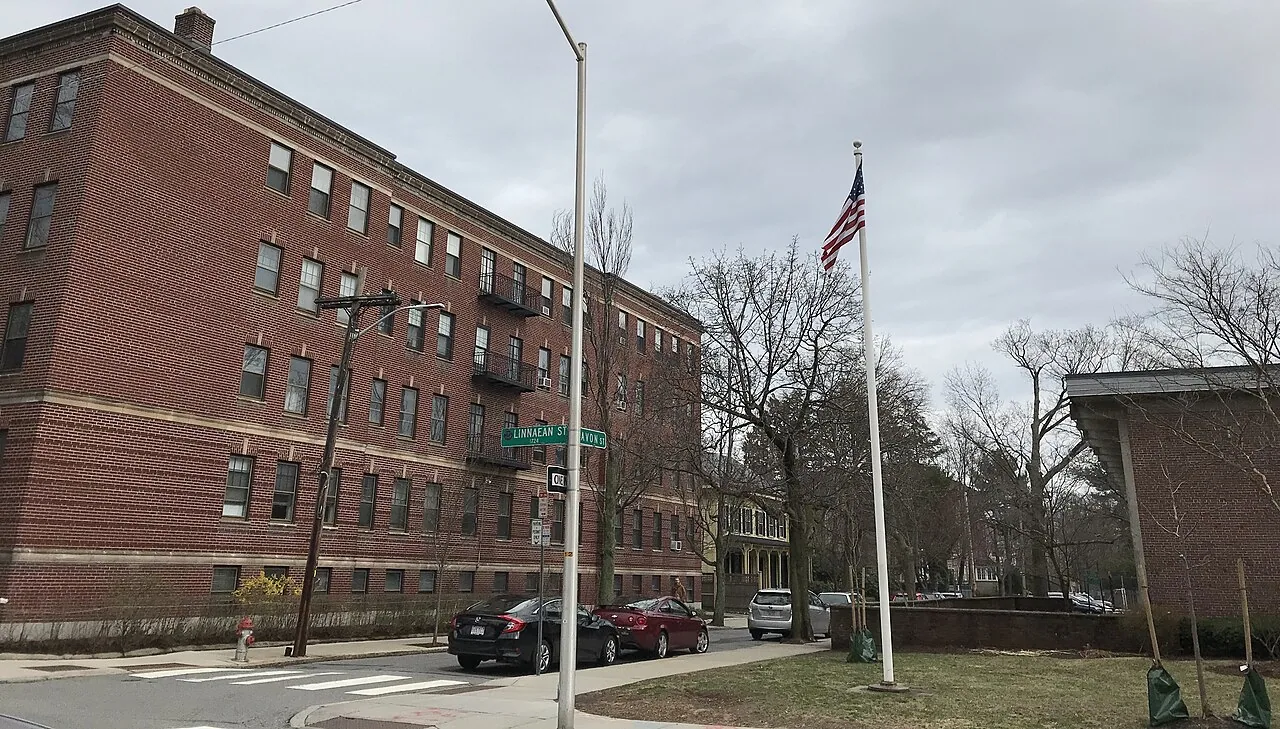
Inspect commercial roofs in Belmont, MA, across Belmont Center, Cushing Square, and Waverley Square, with findings tied to each property.
A curb flashing with a loose termination can admit water even when the membrane field appears intact from the roof hatch. Belmont, MA, identifies Belmont Center, Cushing Square, and Waverley Square as its three targeted commercial areas. Belmont Center serves as the civic center and an active commercial hub, with buildings along Concord Avenue and Leonard Street. Waverley Square is another commercial center in the town's southwest corner, near Waltham and Watertown, and developed around road, railroad, and streetcar connections. These references describe distinct business areas; they do not establish an individual roof's age, assembly, or condition. We confirm the property address, roof plan, access contact, and reported leak before inspecting drains, seams, flashings, and roof edges. The scope identifies the section and evidence behind each recommendation.
Which commercial area serves the property?
The property manager identifies whether the work is at Belmont Center, Cushing Square, or Waverley Square and confirms access details for the building. The business study recommends supporting local businesses and improving the character of commercial districts, with transportation considered in district planning. That context may affect how a project is coordinated, but it does not identify a staging entrance or roof assembly. We check the actual access route, occupied space below, equipment restrictions, and service window before stepping onto the roof. The field walk records membrane type if known, attachment, seams, curb flashings, pipe entries, parapet caps, drain bowls, and overflows. A roof inspection creates a photo record tied to the roof section and flags any area concealed by equipment. If repair history or construction plans are missing, we separate that uncertainty from the condition that can be observed.
How do we trace a leak across the roof plane?
We locate the reported room, identify the roof area above it, and trace slope and water paths toward the nearest connected details. The entry may be at a seam, curb, parapet, pipe boot, or drain even when the stain appears elsewhere. We document the likely path and select a scan or opening only if the result can change the scope. A scan may suggest a moisture pattern under suitable conditions; a test opening confirms layers and substrate at one place. The record names the method and boundary. A moisture survey can guide a targeted test, and a seam inspection can check whether the sheet edge remains bonded. We avoid calling a roof wet or dry beyond the locations we actually inspected. If another contractor recently added a support or conduit, we review that transition without assuming it caused the reported leak.
What can make a local patch insufficient?
A patch is limited to a defined failure when surrounding membrane is sound and the substrate can support the tie-in. Wet insulation, soft decking, widespread seam separation, repeated flashing movement, or low drainage areas may require more investigation. We verify existing layers, attachment, deck response, curb height, drain elevation, and edge metal before comparing options. Recover adds height at outlets and perimeters; coating needs a compatible, prepared surface; replacement requires removal boundaries, material staging, and weather protection. A recover review checks whether the existing assembly supports that option, while a coating assessment evaluates the surface and details. The proposal states what is confirmed, what needs a test, and which quantity could change. If multiple commercial districts appear in one portfolio, each property receives its own scope and pricing basis rather than a shared assumption about roof condition.
How can service work keep the business route clear?
Before mobilizing, we agree where the crew enters, how materials reach the roof, which customer or delivery path must remain clear, and who accepts the closeout. Belmont's district planning includes transportation access as one business consideration, but we confirm the approved route at the property rather than assume it from a square's history. If work crosses a curb or edge, the scope identifies what can be opened in one shift and how it will be secured if the window ends. The property contact tells us which rooms or equipment need protection. A phased work sequence can list access hours, temporary closure, interior protection, and restart checks. A test opening gets a clear label and closeout photo. If weather interrupts, the crew secures the roof and checks drains before leaving, then verifies the temporary boundary again before work resumes.
What belongs in a townwide portfolio?
A shared inspection calendar can coordinate Belmont Center, Cushing Square, and Waverley Square, but each property should keep a separate roof plan, assembly record, access contact, drain map, equipment list, and repair history. Store photographs and tests by roof section, with the date and method noted. A condition report can rank observed repairs and deferred items without implying that districts share the same roof condition. If the manager also oversees assets around West Cambridge or North Cambridge, retain those market identifiers beside the files. On a follow-up, we compare the same curb, seam, or drain with its prior photograph and record any later equipment change. The status should distinguish inspected, tested, repaired, deferred, and inaccessible conditions so a manager can plan the next call accurately. For a district-level review, an inspection date is not enough: the file should say which building and roof section were reached, whether drain and overflow details were checked, and what evidence supports the priority. Keep bids and closeout photos with the same section label so a later manager can tell whether a quoted repair was actually completed. If access changed or equipment covered a detail, that gap remains visible in the record instead of being mistaken for a clear condition. These distinctions help compare local work across the town without implying that all three squares share the same construction.
What should I send for an estimate?
Provide the Belmont property address, roof plan or system records, reported condition, prior repairs, access contact, and the work window. Identify whether the property is in Belmont Center, Cushing Square, or Waverley Square as context, and share any confirmed occupancy, delivery, or equipment limits. Emergency response is available at any hour, including weekends and holidays, when water is entering. The first visit can limit exposure and define the section for permanent repair. Final scope depends on the installed system, substrate, moisture extent, surface preparation, and safe access. Timing and cost also reflect staging, material availability, weather, and other trades. The closeout records completed work, temporary protection, and items still needing a test or authorization. That record gives the owner a clear basis for deciding whether to proceed with a local repair or develop a larger capital plan.
Commercial Roofing Questions
Does a square's history reveal the roof type?
No. The town's commercial-area facts identify where businesses and civic activity are concentrated, but the assembly must be confirmed from records and field inspection.
Can work be staged during customer hours?
The property contact confirms business hours, deliveries, access, and protection needs. We divide the work only where each section can be closed safely.
What if the leak appears inside but no tear is visible?
Water may travel beneath the membrane before reaching the room. We compare the report with connected details and use a targeted test if it can clarify the entry path.
When is a recover worth reviewing?
After layer count, substrate, drainage elevations, overflows, and edge clearances are checked. The estimate identifies any test still needed before overlay is priced.
How should a portfolio compare its three commercial areas?
Use a common inspection format but keep roof evidence and priorities tied to each property. Area names help organize the calendar; they do not replace building-level findings.
Related Roofing Work
More Service Areas
Browse every page in Service Areas, or request a roof assessment and we will walk the roof with you.
Request a roof inspection in Belmont
Send the property address, roof plan or system records, reported condition, access contact, and work window. We will document the roof section and recommended next action.