
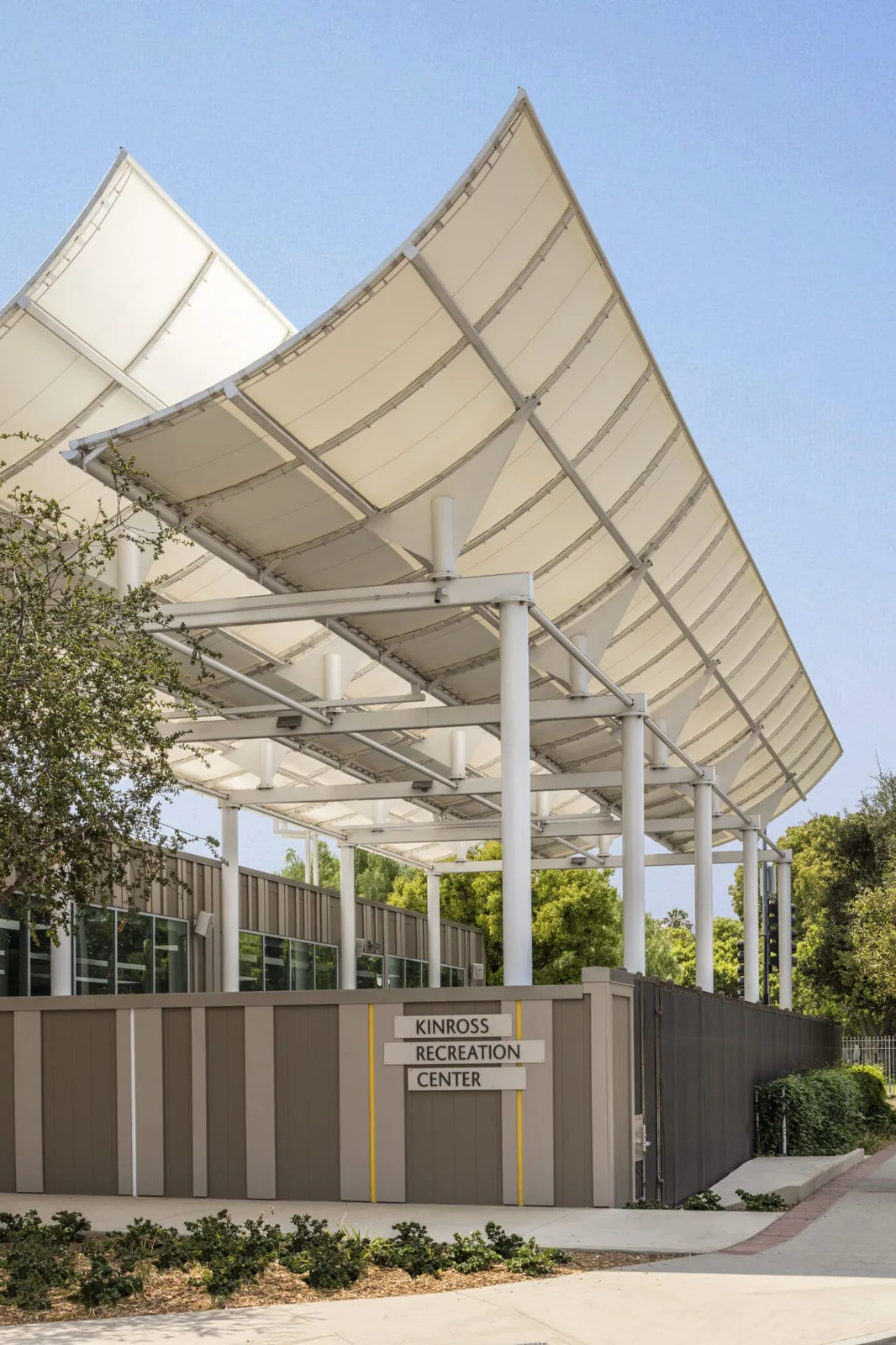
Fitness Center Roofing in Cambridge, MA
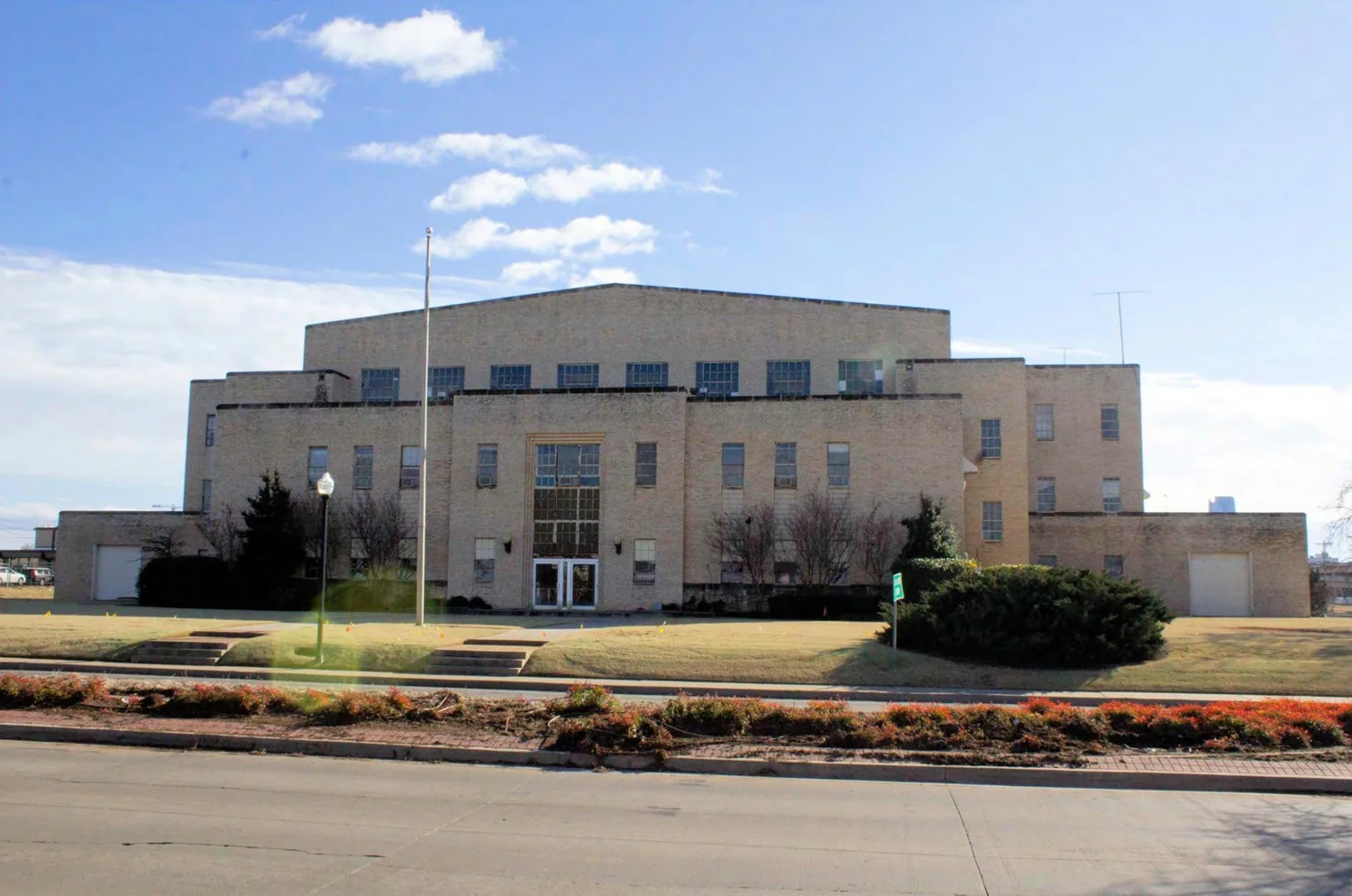
Inspect Cambridge fitness-center roofs for drainage, rooftop equipment, pool and locker-room conditions, and work phased around member access.
A condensate line that ends beside a roof curb can leave moisture near a studio ceiling even when the membrane seam is intact. At a Cambridge fitness center, we check the equipment connection, nearby membrane, drain bowl, and overflow path before setting a repair boundary. City winter guidance describes a rise in thaw-and-freeze cycling, more intense rain and snow events, and recurring flood conditions across Cambridge. CambridgeSide has shops and restaurants in East Cambridge, while Harvard Square combines university, retail, and cultural uses. These districts show the variety of nearby operating patterns, but they do not identify a gym’s roof or mechanical layout. We inspect the building’s own system and coordinate around member and staff access.
What can a roof leak affect above workout areas?
A report over a weight room, locker area, pool, or group studio gives us a starting point, not a confirmed entry location. We compare the interior mark with the roof plan, equipment curbs, penetrations, seams, and drainage above. Condensation, piping, and roof openings can produce similar indoor symptoms; the inspection distinguishes visible roof evidence from a mechanical issue that needs another trade. If moisture may be concealed, we identify a test area and explain what a test opening or survey can establish.
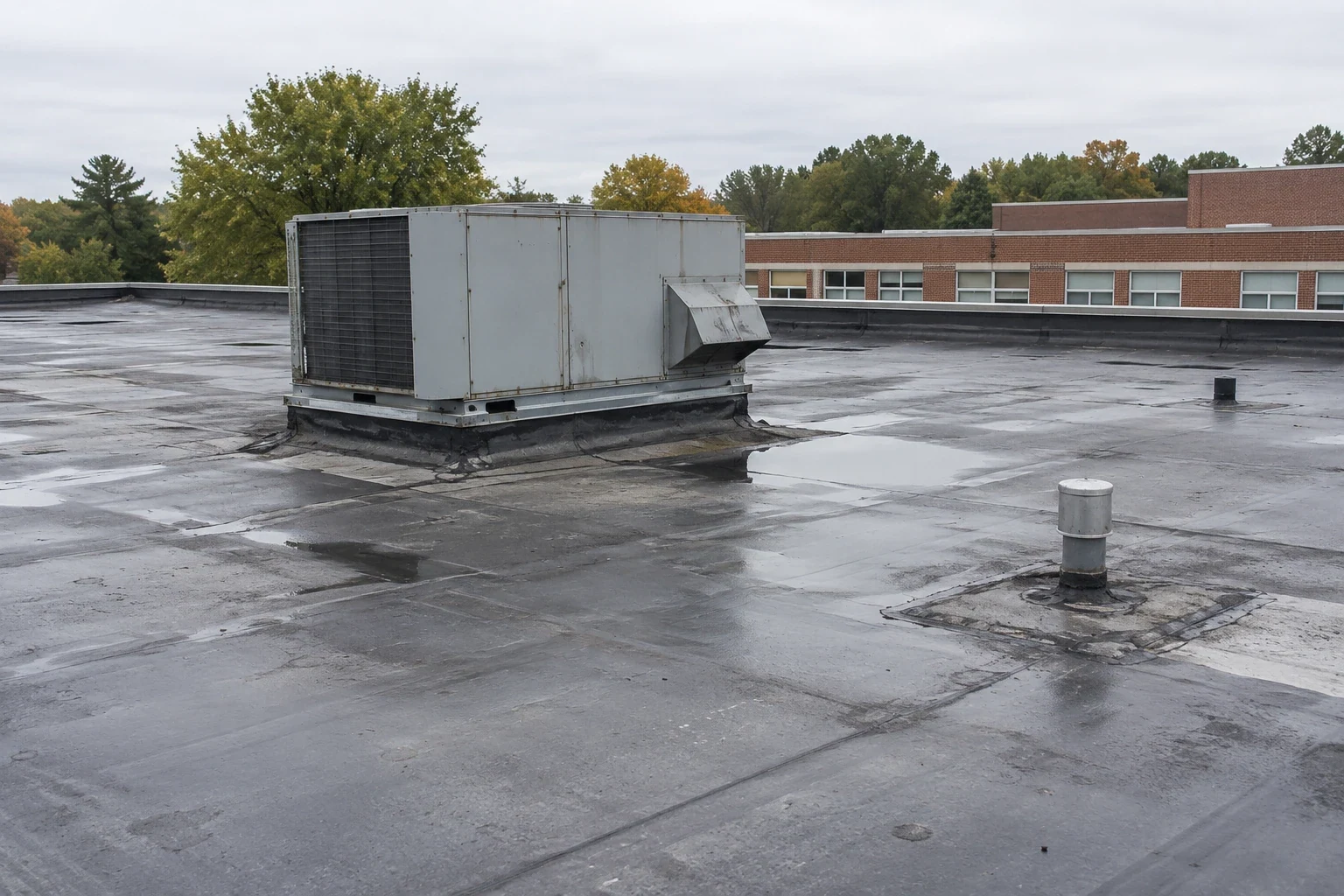
Fans, exhaust, intake, and cooling equipment create multiple roof transitions. We note the curb height, flashing termination, support attachment, and whether nearby insulation feels or tests wet. A rooftop equipment review can record the interface. For the outlet path, a drain and overflow inspection checks whether the bowl and discharge route are clear. A condition inspection ties photos to the actual studio or building section and keeps unrelated areas outside the repair limit.
How do we keep classes and member routes running?
The manager identifies class schedules, member entrances, locker rooms, pool access, staff routes, delivery times, and rooms below the planned work area. We use those details to set barriers, lift locations, and work windows. Dust, odor, noise, and heat from a process depend on the material and conditions, so we agree on controls before opening the roof. Each day has a defined dry-in boundary. If hidden conditions require a larger opening, we record what changed and confirm the revised work area with the contact.
Harvard Square is a pedestrian-oriented retail and university district, and CambridgeSide sits within East Cambridge’s commercial activity. Those local settings are useful context for delivery and pedestrian coordination, but the site determines the actual entrance and work route. An occupied-property sequence can phase roof areas around classes and peak member hours. At a CambridgeSide-area property, we still verify roof access, loading, and barriers with the facility manager before crew mobilization.
What should be checked after rain or a freeze?
The City reports heavier winter precipitation and more frequent flooding alongside additional thaw-freeze swings. We inspect drain bowls, scuppers, overflows, seams, penetrations, and perimeter transitions after a reported leak. At a pool or locker area, the indoor symptom may need coordination with mechanical staff, but we do not assume condensation without checking the roof. We identify what is visible, where moisture testing could help, and whether a temporary cover is needed to protect the interior while a permanent detail is prepared.
When active water is reported during facility hours, our duty crew can respond at any time, holidays included. We inspect for the entry path and coordinate a temporary cover if safe, then document the permanent repair requirement. We locate the active opening, coordinate protection below, and record whether stabilization is temporary. Once the roof is safe to work, we inspect the assembly and define the permanent repair. A ponding-water review can help distinguish a blocked outlet or settled area from a seam problem when standing water is present.
Should the operator repair or replace the gym roof?
A localized curb, seam, or drain repair can address a limited defect if the surrounding assembly remains sound. A recover depends on moisture, attachment, existing layers, structural design, drainage, and clearance at equipment. Replacement allows inspection of concealed materials but brings removal, debris handling, temporary weather protection, and member-access planning. We compare options using test results and existing system details. A pool or humid interior may require attention to ventilation and condensation, but those conditions do not by themselves identify an exterior roof failure.
A shopping-center roof can have tenant access challenges, while an office-building roof may have equipment and occupied-space concerns. A fitness center has its own class and locker-room schedule. We map the actual roof and operating areas before choosing the repair method. A coating assessment checks adhesion and moisture first; a replacement plan states which equipment curbs and edges receive new flashing.
Where a studio sits below a roof hatch or mechanical platform, we confirm that access and maintenance routes do not cross a member queue. The contact can identify peak entry times and staff-only doors before materials arrive. We then record the route used and the section closed each day, which gives operations staff a clear handoff when classes resume.
Which roof details should the operator track?
The closeout note identifies the fitness facility, roof section, repaired detail, material where confirmed, drain condition, test location, and any access limit. Photos use a roof-plan reference rather than only a room name. We mark temporary work, permanent repair, and follow-up items separately. If equipment staff must adjust or replace a unit after roofing work, that coordination remains visible in the record so a later service call does not disturb a finished flashing detail.
A condition history can help the manager compare future reports and schedule maintenance outside busy class periods. Cambridge’s winter precipitation trend supports checking outlets and overflows during later inspections, while current field evidence determines whether anything needs correction. A manager can use the same roof-section labels to compare later photos and spot movement at a curb or seam. A roof condition report can hold those findings with the building’s maintenance file.
A fitness operator can track a small number of roof references that matter to member use: the section above studios or courts, entrances kept clear during work, equipment supports, and the nearest drain or overflow. We document whether a ceiling mark followed condensation, a roof opening, or an unresolved path only when inspection supports that distinction. If noisy work is scheduled near a class area, the approved hours and closure point belong in the work plan. The final record notes any area that could not be inspected above ductwork or mechanical screens. That lets the next manager coordinate a return visit without treating every wet-floor report as the same roof defect.
Commercial Roofing Questions
Can members continue using the facility while the roof is repaired?
The manager identifies entrances, classes, and rooms that need to stay available. We phase work by roof section, set barriers, and confirm daily closure points when weather and site conditions allow.
How do you tell roof leakage from pool or HVAC condensation?
We compare the interior report with roof seams, equipment curbs, drains, and piping routes. Testing can help locate concealed moisture, and the report separates roof findings from items requiring mechanical review.
Can you work before the fitness center opens?
The facility contact sets member and staff access windows. We can plan lifts, deliveries, noisy work, and daily dry-in around those hours, subject to weather and the repair condition.
What happens when water is coming in during a class?
A dispatcher can arrange roofing attendance at night or on a holiday. The crew records the roof entry, any safe short-term protection, and the inspection needed to define permanent work.
What should we send before a roof inspection?
Provide the Cambridge address, roof plan, equipment layout, reported area, class or pool schedule, access contact, and service records. The inspection confirms the installed assembly and repair boundary.
Related Roofing Work
More Property Types We Roof
Browse every page in Property Types We Roof, or request a roof assessment and we will walk the roof with you.
Coordinate a roof walk with the facility schedule
Send the Cambridge address, roof plan or system records, equipment layout, reported condition, member-access contact, and preferred work window. We will document roof findings by section and define the next step.