

Shopping Center Roofing in Cambridge, MA

Inspect Cambridge shopping-center roofs for tenant leaks, drains, rooftop equipment, and safe repair sequencing across retail areas.
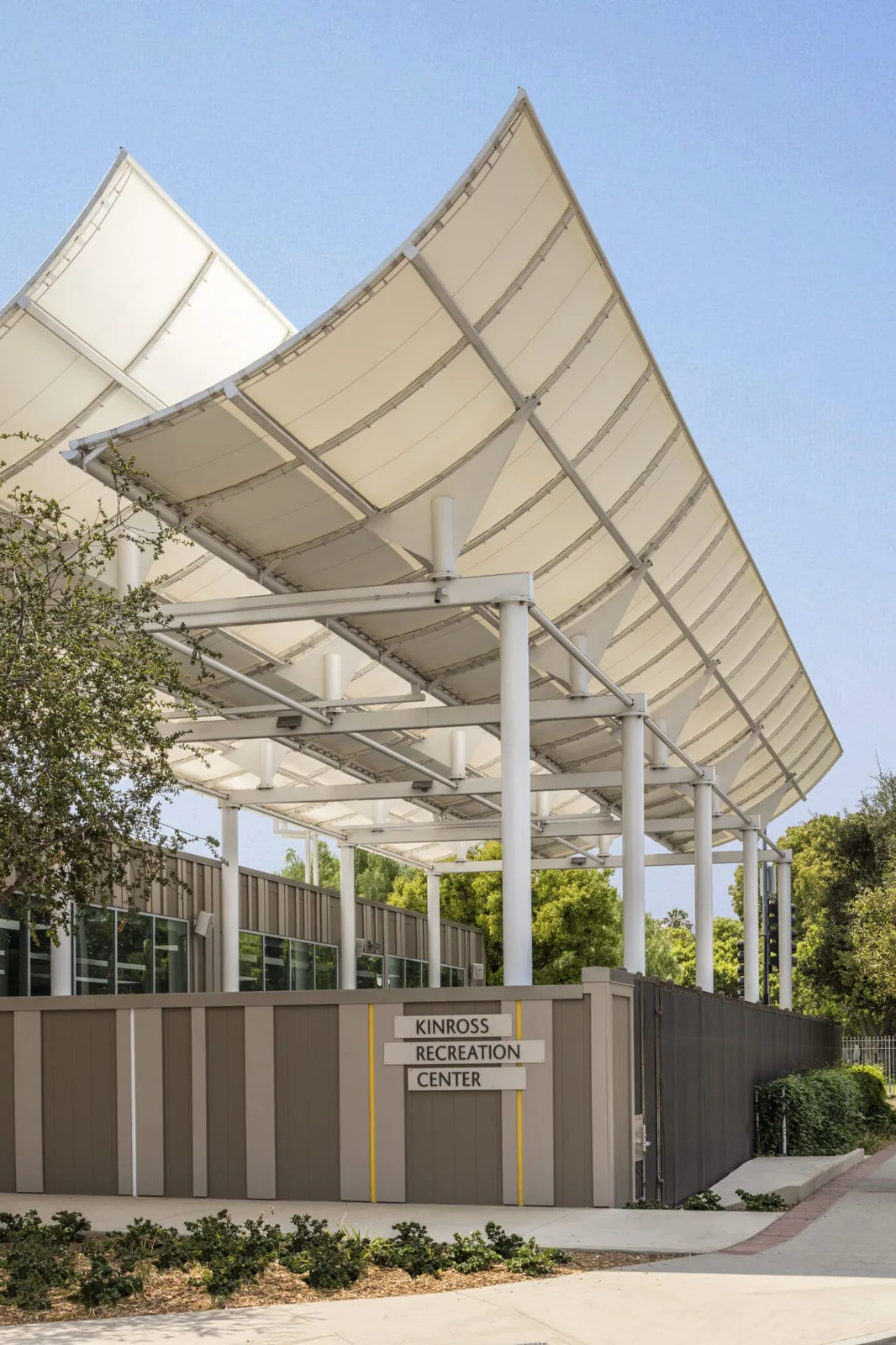
A storefront canopy where two roof planes meet changes the inspection route across a Cambridge shopping center. We check the canopy joint, wall flashing, and nearest drain before tracing a tenant leak into the main roof area. Cambridge's winter guidance notes additional freeze-thaw swings and more frequent flooding, so outlets and overflow paths make the walk list. Harvard Square functions as a regional shopping district with shops, restaurants, theaters, and transit; CambridgeSide currently has two levels of shops and restaurants. These locations show the city's retail mix, not the assembly at another center. We inspect the property records and actual roof details, then coordinate repair boundaries with the center's operations team.
Where can water cross between tenant spaces?
A shopping property may join storefronts, back-of-house rooms, covered walks, and loading areas under more than one roof section. We map where the leak is reported and inspect the nearest drain, seam, curb, and transition above it. Water can travel along a deck or wall before appearing in a tenant suite, so a stain near a storefront does not identify the opening. We label photos by building face or roof section and note any seam or parapet that needs a closer test.
Mechanical screens, exhausts, roof hatches, and canopy edges can change how we reach the leak path. We inspect each penetration and record equipment access clearance before recommending repair. A shopping-center roof inspection can establish a shared map for property management and tenants. If outlets or scuppers are involved, a drainage review can trace the route to discharge. A flashing assessment can define a failed wall or canopy joint separately from the field membrane.
Should the manager repair one area or budget a roof section?
A local flashing or seam repair may be supported when adjacent material remains stable and the opening is contained. Recurring calls at separated tenant spaces can prompt a broader survey, but do not alone prove that every roof section needs replacement. We compare interior reports, visible membrane condition, prior repairs, and test results. If moisture is confirmed beneath the roof, the scope identifies the wet boundary and the layers to address rather than extending work by assumption.
Harvard Square's retail district sits among university, arts, and transit uses, while CambridgeSide includes shopping and restaurant areas with future redevelopment plans. Those local settings make access and tenant coordination relevant; they do not define a specific center's operating rules. A big-box retail roof and a grocery roof may have different deliveries and refrigeration equipment, even when both have large retail areas. We identify the actual roof assembly and equipment before comparing recover options with removal and replacement.

How do we protect shoppers and tenants below?
Before roof work begins, the property contact identifies entrances, accessible paths, outdoor seating, loading areas, and tenant hours affected by the work. We plan lifts, debris routes, and barriers so material movement stays within the approved zone. If the roof is opened over an occupied space, the crew establishes a dry-in limit and protects the interior under the property's procedures. Any change to the section boundary is recorded and shared with the manager.
CambridgeSide's active shops and restaurants and Harvard Square's pedestrian-oriented retail setting illustrate that storefront operations can sit close to service routes. The specific property sets its own delivery and safety controls. An occupied retail work plan identifies notice timing, daily closure, and who confirms the affected entrances are clear. A CambridgeSide property still needs its own roof map and access contact before crew staging; a district name cannot substitute for those details.
What helps prevent repeat service calls?
Maintenance starts with a section map, dated roof observations, and a record of which repairs addressed each leak path. We inspect seams, drains, parapets, expansion joints, and penetrations after the work, then note any area that remains inaccessible. The property manager can compare future calls with those photos and see whether water returned at the same detail or appeared at another transition. We distinguish routine debris removal from repair of a damaged membrane or outlet. A recurring maintenance item should list its location, condition, and action taken so the next visit can tell whether the repair held or a new issue has appeared nearby.
A preventive maintenance visit can schedule drain checks and repair follow-up around tenant operations. Cambridge's reported increase in winter flooding keeps overflow routes on the checklist, while the inspection still records the property's actual condition. If new coating or a broader restoration is considered, we verify adhesion and substrate condition before applying material. A coating restoration assessment lists preparation and repairs needed before recoating, rather than treating color fade as a leak diagnosis.
What should a retail roof handoff include?
Closeout identifies each work area, affected tenant or entrance where applicable, roof system where confirmed, and repairs at drains, curbs, canopies, and perimeters. Photos carry dates and location references that can be matched with the roof plan. We note temporary closures, completed permanent work, test results, and any section excluded from the approved scope. Those records help property teams answer tenant questions with the actual work boundary rather than a general statement that the roof was repaired.
A roof condition report can preserve observations and photos for later service calls or capital planning. For a Harvard Square retail property, the report should identify the exact building and roof section, not the whole district. The same rule applies at any Cambridge center: label the property, map the water route, and keep follow-up tied to the condition recorded during the inspection.
A center-wide handoff should separate common roof areas from tenant-specific additions, canopies, and equipment curbs. We note the affected entrance or suite reference, the roof section above it, and whether the repair shared an edge or drain with another tenancy. If material staging or a lift interrupted a delivery route, the closeout records when that restriction ended. A manager can group work orders for scheduling while keeping photographs and repair limits attached to each roof area. This makes the next leak report easier to compare with the earlier condition and reduces the chance that one tenant's patch is read as a repair to the full retail center.
Commercial Roofing Questions
Can roof repairs happen while retail tenants stay open?
We coordinate access and protection with center management and the affected tenants. The plan identifies entrances below the work, material lifts, and the daily weather-tight boundary. A closure or schedule change depends on the specific repair and site rules.
What should management do when several suites report leaks?
Keep each report with the suite, date, and weather event, then share the roof plan and repair history. We map the reports to separate roof areas and test where needed before treating them as one common failure.
Can a canopy leak be fixed from the roof above?
We inspect the canopy joint, wall flashing, drain route, and adjoining field membrane. Some openings can be repaired at the transition; others need detail reconstruction. The scope names the components included and any access restriction.
How do you plan work near storefront entrances?
The property contact confirms pedestrian routes, deliveries, seating, signage, and notice requirements. We set a protected work zone and coordinate lifts and debris handling before opening the roof above an occupied area.
What should be included in a shopping-center roof survey?
Provide the Cambridge address, roof plan, tenant leak log, service history, access contact, and work window. We document each roof section, drain, canopy connection, and follow-up test so management can compare findings across the property.
Related Roofing Work
More Property Types We Roof
Browse every page in Property Types We Roof, or request a roof assessment and we will walk the roof with you.
Map the retail roof by tenant area
Send the Cambridge property address, roof plan and service records, tenant leak log, access contact, and work window. We will inspect affected sections and coordinate a documented repair or capital scope.