
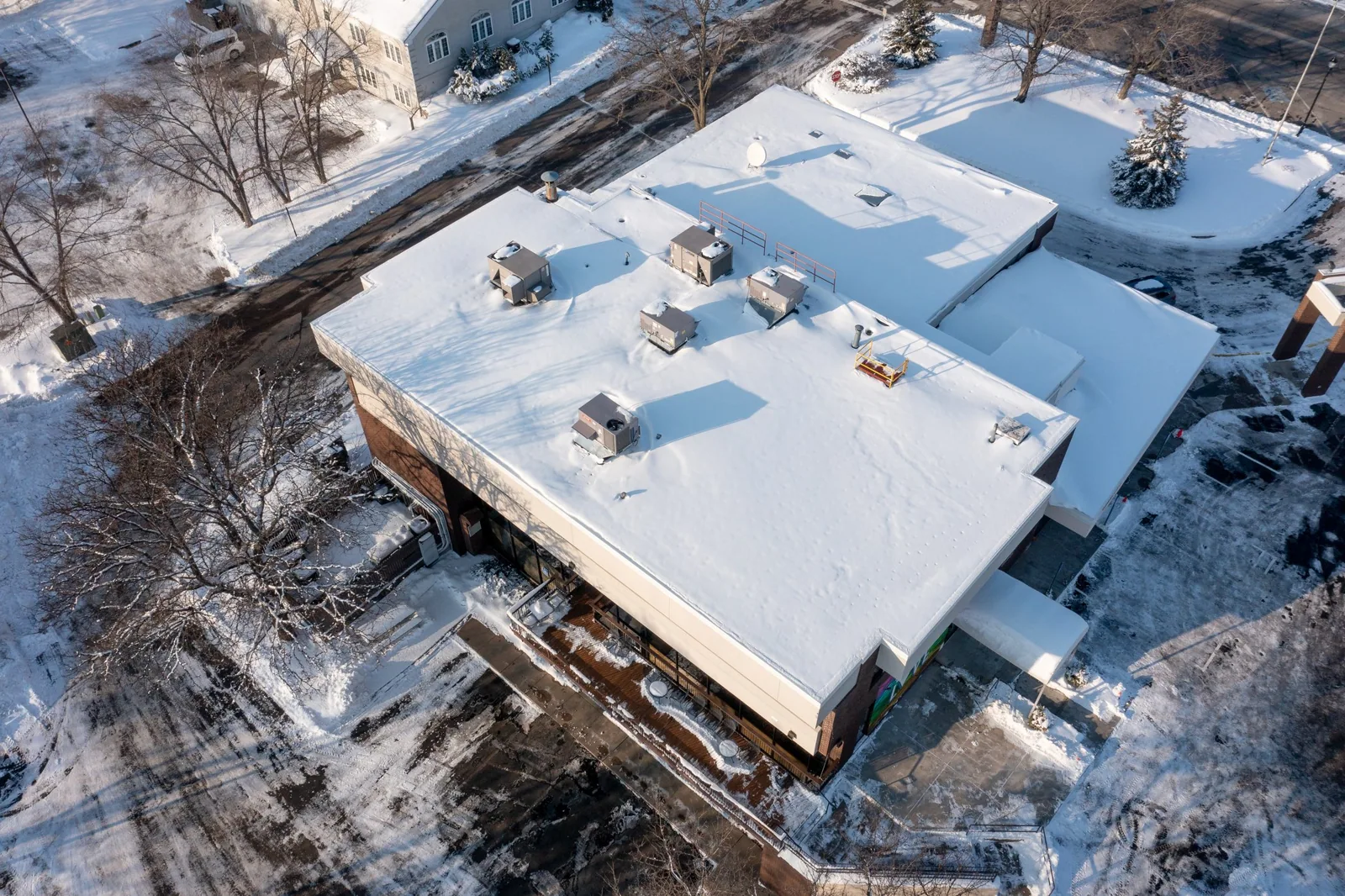
Snow and Ice Roof Damage Repair in Cambridge, MA
Repair snow and ice damage on Cambridge commercial roofs by tracing leaks, blocked drains, edge conditions, and membrane movement to the source.
A split at a drain bowl after a thaw changes the inspection route across a Cambridge commercial roof. We check the bowl, overflow path, nearby seams, curb flashings, and edge before setting a repair boundary. Cambridge's winter-preparation guidance points to freeze and thaw transitions and heavier winter water as practical roof concerns. Alewife is identified by the City as an area with relatively greater flood risk, while Kendall Square combines research, housing, hotels, restaurants, and shops. Those settings make roof access and operating windows part of the repair plan, but the field sheet still follows the condition actually found on the building.
Where did snow or ice change the roof?
A drift against a parapet, a blocked scupper, or an ice line at a low point can focus water where the roof already has a weak transition. We mark the snow line and note whether it sits at an equipment curb, wall, expansion joint, or roof edge. On a membrane, we look for lifted laps, split flashing corners, displaced termination metal, and punctures that may have been hidden before the event. A ceiling stain alone does not show whether the entry is nearby; water can travel beneath insulation before it appears indoors. Our inspection connects each interior report to the roof section above it, then tests only where the visible evidence calls for it.
What happens during thaw and refreeze?
Water that drains during a warm interval can refreeze at a colder edge, around a drain, or where shade slows drying. That cycle can load a detail repeatedly without producing one obvious opening. We check whether the drain bowl is clear, whether the surrounding membrane holds water, and whether the overflow path sits at the intended elevation. Cambridge's climate guidance identifies heavier storms and precipitation alongside more frequent flooding. The inspection therefore records drainage performance as well as membrane damage. We separate a blocked outlet from a failed seam, and distinguish a surface ice mark from water that has entered the roof assembly. The closeout notes whether water cleared after the outlet was opened and whether a return inspection is needed after another freeze cycle.
How do you limit interior exposure?
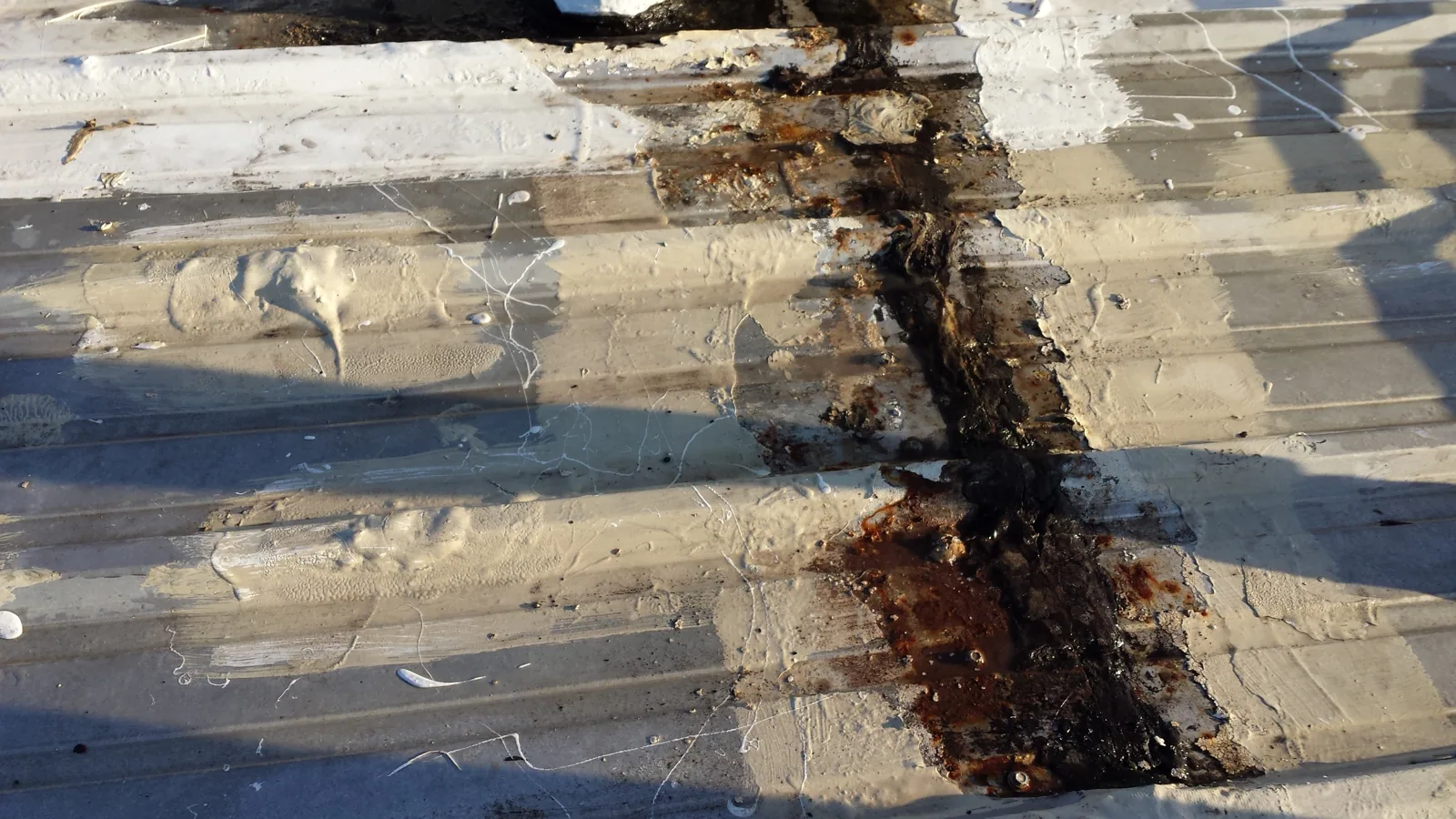
For an active leak, the first field task is to protect the space and identify a safe route to the affected roof section. We coordinate the access window with the property contact, protect equipment and occupied areas below, and use temporary measures suited to the observed opening and weather. Around Central Square, buildings combine government, transit, retail, and commercial uses; the work sequence needs to account for people moving through the property. At Cambridge Crossing, mixed commercial, residential, dining, and retail uses can make staging and notifications important. The scope records the temporary condition separately from the permanent repair so the manager knows what remains exposed.
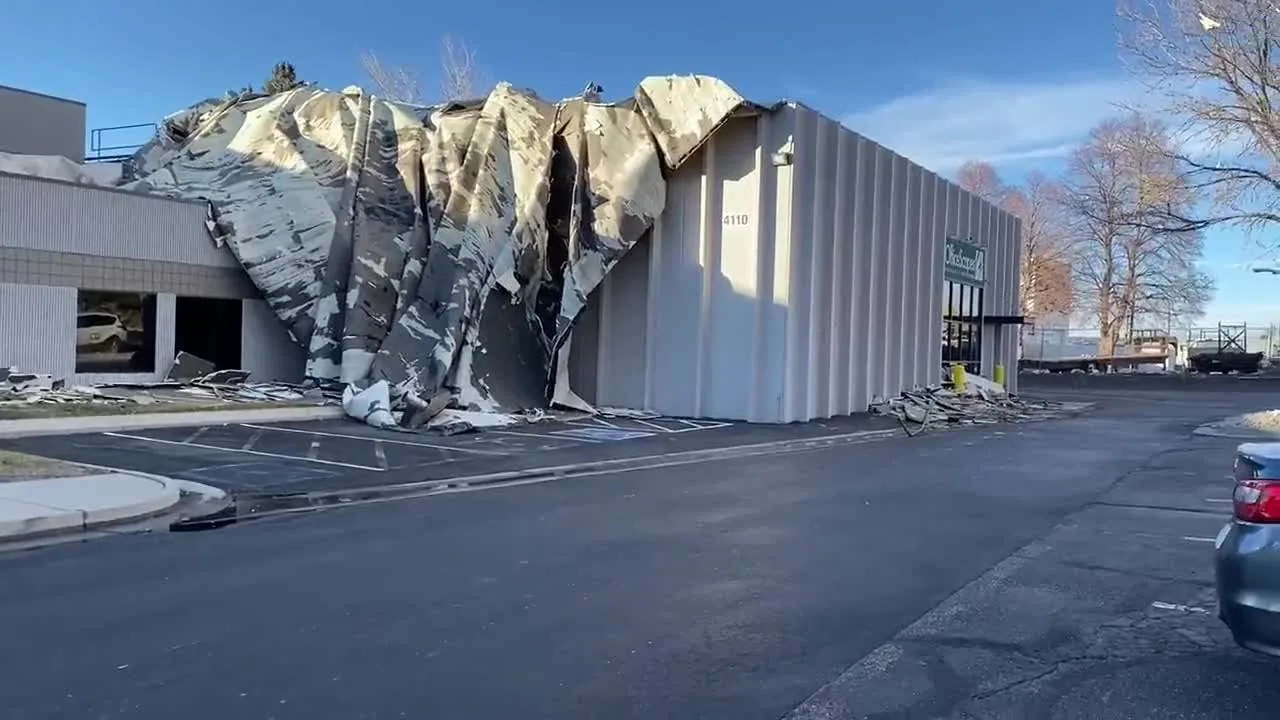
A wind event can open an edge transition that later catches snow or meltwater, so we also look for movement at coping, perimeter metal, and exposed seams. Our wind damage inspection documents uplift or displaced components; a roof opening caused by a branch or maintenance traffic follows the evidence collected for membrane puncture repair. These conditions can overlap after a storm, but each gets its own photograph and repair limit. The record helps the manager see which work stops water entry now and which condition needs a scheduled return after the roof is dry and safe. We list remaining access limits and any material lead time so the next visit can be scheduled without repeating the initial survey.
Is this a repair or a wider replacement?
A localized split with sound surrounding membrane may support a targeted repair after the substrate is dry and compatible materials are confirmed. Repeated openings across several seams, wet insulation, failed perimeter metal, or a drain layout that cannot clear water may call for a broader section review. We document each condition with closeout photos and note the roof system, repair limits, and any test opening. A commercial roof inspection can establish that record, while drain and scupper work addresses a separate outlet problem. A coating or recover decision follows substrate and assembly checks, not the snow event by itself.
What controls timing and cost?
Safe access, snow cover, ice at ladders or hatches, wet insulation, and the forecast determine when a permanent repair can proceed. We do not install a lasting membrane patch over a surface that cannot be prepared or tested. The work may need a temporary stabilization visit followed by a dry-weather return. Material compatibility, the number of transitions, insulation replacement, access restrictions, and interior protection all change the scope. Our emergency roof response runs around the clock throughout the week, including holidays. The visit starts with the reported leak location, roof plan if available, and a safe access contact so dispatch can assign the correct section and crew.
What should the winter record include?
A useful closeout records where snow collected, which drains and overflows were clear, what the membrane showed, and where temporary protection remains. We can add those observations to a roof condition report and flag follow-up work by roof section. A building team managing several properties can use multi-site roof tracking to compare open items and schedule access windows. For local work near Alewife or Kendall Square, the district name helps coordinate the address and route, while the condition report remains specific to that building.
After snow or ice is cleared, the inspection distinguishes the removal path from the roof condition underneath. We check scupper mouths, drain strainers, parapet corners, seams, and areas where tools or accumulated material could have disturbed a membrane. A roof that was covered during the event may not be fully inspectable until safe access and thaw conditions return. We document remaining snow, blocked visibility, temporary closures, and any area that requires another visit. Mechanical removal methods must avoid cutting or puncturing the assembly; the approved method depends on access, roof type, and site safety. The report should make clear what was confirmed that day and what stayed hidden.
Commercial Roofing Questions
Can a roof leak after the snow has already melted?
Yes. Meltwater may enter at a lifted lap or curb and travel below the membrane before reaching an interior finish. We trace the reported area to the roof section, inspect connected details, and use moisture testing where the evidence supports it.
Should crews remove snow before repairing the roof?
Safe access and roof loading govern that decision. We review conditions before entering, identify whether snow blocks the repair area or drainage path, and plan removal only when it can be done without damaging the membrane or creating a hazard.
Can ice damage be patched during freezing weather?
A temporary measure may be possible, but permanent membrane work needs suitable surface and material conditions. We document the interim protection and return when the repair area can be prepared and bonded or welded as the system requires.
How do you tell a blocked drain from a roof failure?
The bowl, strainer, leader, overflow, and surrounding membrane each get checked. A blocked outlet can leave standing water, while a failed seam or flashing creates an entry path. We record both findings before assigning the repair scope.
What should I send before a winter roof visit?
Send the Cambridge property address, roof plan or system records, the room where water appeared, recent photos, the access contact, and the available work window. Those details help us start at the right roof section and prepare for snow or ice access conditions.
Related Roofing Work
More Roof Damage Repair
Browse every page in Roof Damage Repair, or request a roof assessment and we will walk the roof with you.
Set a winter roof inspection
Share the Cambridge property address, roof plan or system records, reported condition, access contact, and work window. We will assign the visit to the affected roof section and document what the snow and ice changed.