
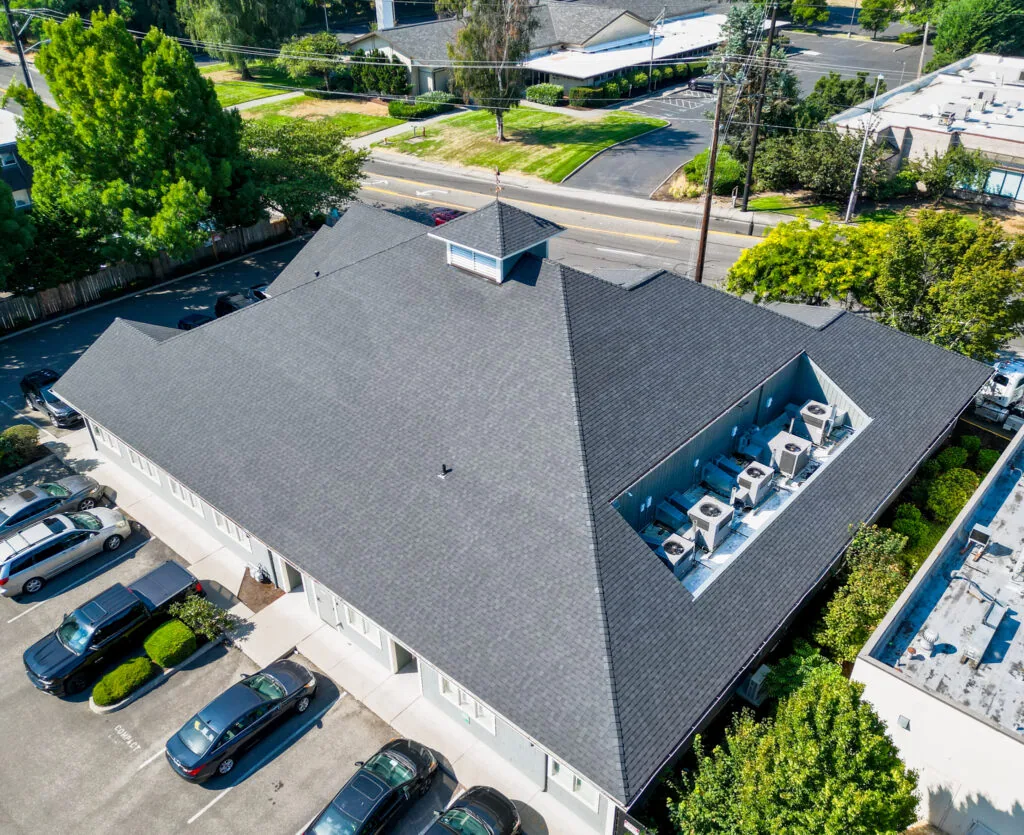
Commercial Roof Fire Damage Repair in Cambridge, MA
Inspect Cambridge commercial roofs after fire for membrane, flashing, insulation, and deck conditions, with temporary protection and permanent scope documented.
A charred curb edge can leave the membrane beside it brittle or separated even when the fire opening is elsewhere. After a reported building fire in Cambridge, we coordinate with the property contact, inspect the roof from an approved access point, and document the affected section before proposing repair. Cambridge Crossing combines office, residential, retail, and dining uses, while Central Square contains civic and commercial properties. These local settings may affect occupant access, but they do not establish the damage at an individual site. The roof’s visible and tested condition sets the scope.
Which roof materials should be checked after fire exposure?
We inspect membrane, coatings, metal, flashing, insulation, cover board, and exposed deck for scorching, blistering, deformation, separation, or water from suppression and weather. A visible char line does not show the full extent below the surface. We photograph the transition from affected to unaffected area and identify whether testing or a selected opening is needed. If another professional restricts roof access, we record the boundary and schedule a return when the site is cleared.
Cambridge has research, healthcare, retail, and civic buildings with varied roof assemblies. A building’s use or address does not reveal the materials beneath a fire-affected section. A roof condition survey maps observations and test locations. A cover-board and insulation review can document layers where exposed or tested. If heat damaged a curb or perimeter, a edge and flashing inspection checks nearby transitions.
At penetrations and joints near the affected area, we look for heat-related separation, softened sealant, displaced metal, and water entry after the incident. The inspection distinguishes material that is visibly damaged from a surface that needs testing or review by another specialist. If a roof assembly cannot be accessed until restoration work is removed, that limitation is recorded so the return visit can complete the condition map.
How is the roof kept weather-tight during review?
The building contact identifies fire-service access, restricted areas, structural review status, roof hatch, air intakes, occupied rooms, and areas below the damaged section. We do not enter until access is approved. If temporary weather protection is authorized, the crew records what was covered, where it was secured, and which portions remain exposed. A temporary closure is separate from permanent repair and should be checked after weather or other building work changes the roof.
Central Square has city-government and transit uses, and Cambridge Crossing has mixed commercial and residential activity. A fire-affected property may have its own restricted entrance and restoration schedule. An occupied-building sequence can show how roof work fits with the property’s approved access plan. At a Cambridge Crossing property, the site contact sets current staging and route restrictions.
Before temporary work, the facilities or restoration lead identifies who may approve attachment points, roof access, and movement of debris. We keep a photo record of the uncovered surface and any materials removed. A temporary cover must leave drains and required equipment clear under the approved plan. If weather shifts or another trade changes the opening, the site contact is notified and the closure is checked again.
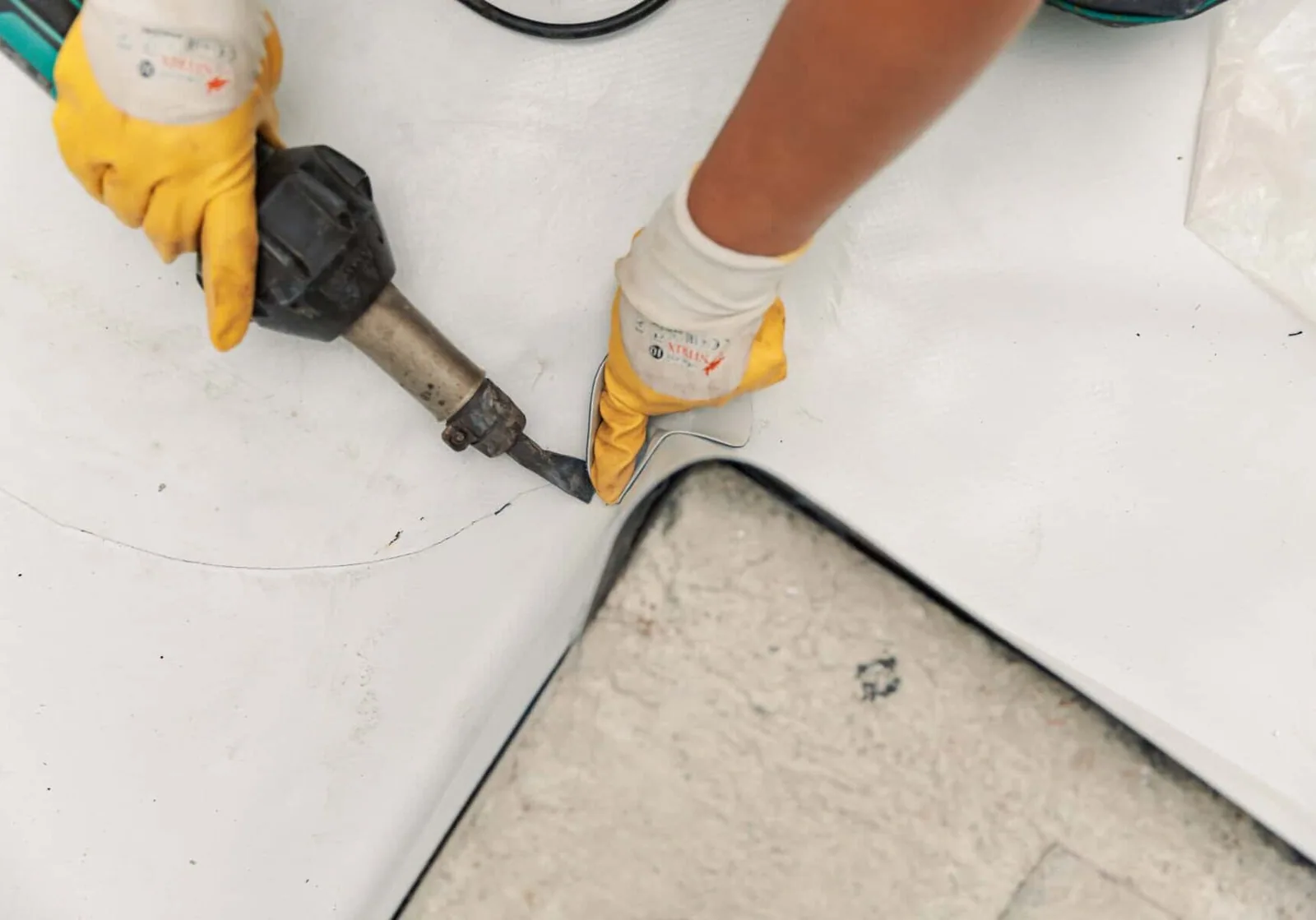
How do you separate fire damage from suppression or weather damage?
We label heat effects, water exposure, debris, and pre-existing wear as separate observations when the evidence allows. Suppression water may enter through openings or drains, while later precipitation can affect an exposed roof. The report uses date, location, photos, and test results to distinguish those conditions. If a specific material cannot be evaluated visually, we identify the test or specialist review needed before it is included in a repair quantity.
Cambridge’s climate assessment identifies heavier storms and precipitation as local risks. Those facts help explain why temporary protection matters after a roof opening, but they do not establish weather damage at a fire site. We inspect the actual drain path and note whether the opening or temporary cover changes the flow. The owner can then coordinate roofing, structural, and restoration work using separate observations.
Can a fire-affected roof be patched or does it need replacement?
A local repair may be possible when heat or water effects remain confined and surrounding materials are sound. If the assembly has widespread blistering, wet insulation, damaged deck, or multiple compromised transitions, a broader scope may be needed. Recover and replacement depend on test findings, attachment, system compatibility, structural review, and the amount of material removed. We define the inspected area and any unknowns so the owner can compare repair options without assuming all roof sections are affected.
A wind-damage survey may separately document storm effects during the restoration period. A puncture repair assessment covers a discrete opening in the membrane. A replacement scope identifies tear-off and deck work, while a recover evaluation checks whether existing layers can remain.
What should the fire restoration file preserve?
The roof record identifies the property, section, material observed, fire or water exposure noted, test locations, temporary protection, and completed work. Photos show the affected boundary and any materials removed. We note areas that were inaccessible and any unresolved condition assigned to another specialist. The file should distinguish a mitigation measure from a permanent roof repair so later reviewers know which work remains open.
Cambridge’s commercial districts include different building and access settings, but each report stays tied to the address inspected. A later walk can compare the roof with photos from before and after repair. A condition report can preserve that record for the facilities team, insurer, or restoration manager without turning a roof observation into a claim decision.
Where the building has several roof levels, each receives its own section label and inspection status. The report can show which area was opened, which remained closed, and whether the same system continues between them. That gives the owner a better basis for scheduling repair without assuming the entire roof was exposed to identical heat or water conditions.
The return visit should confirm whether temporary materials were removed and whether the permanent transition is closed.
After the fire department clears the roof for access, we separate visible heat effects from damage caused by hoses, debris, or later exposure. A close inspection should include membrane at the incident boundary, insulation where an opening can confirm it, metal supports, penetrations, and any temporary cover. Soot on the surface does not by itself define what needs removal, and an interior ceiling condition is not a structural assessment. The roofing scope records which areas were opened, what layers were removed, what the deck showed, and where another trade must evaluate the assembly. This gives the owner a clear boundary between roof restoration and work outside the roofing contract.
Commercial Roofing Questions
Can you inspect a roof while fire restoration is active?
We coordinate access with the property contact and follow site restrictions. The inspection begins when the roof can be entered safely and any required clearance has been provided.
Does a charred membrane mean the whole roof must be replaced?
Not by itself. We map visible and tested effects by section, then evaluate surrounding materials, moisture, and deck conditions before recommending repair or replacement.
How do you separate fire and suppression-water findings?
We document heat effects, water exposure, and pre-existing conditions separately when observable. Testing or specialist review may be needed for concealed layers.
Can a temporary cover remain in place during restoration?
The property contact approves the temporary protection and access plan. We record its location and follow-up needs separately from permanent repair.
What records help prepare a roof repair scope?
Provide the roof plan, reported event information, restoration notes, prior repair history, access limits, and any test results. The field inspection confirms the roof work boundary.
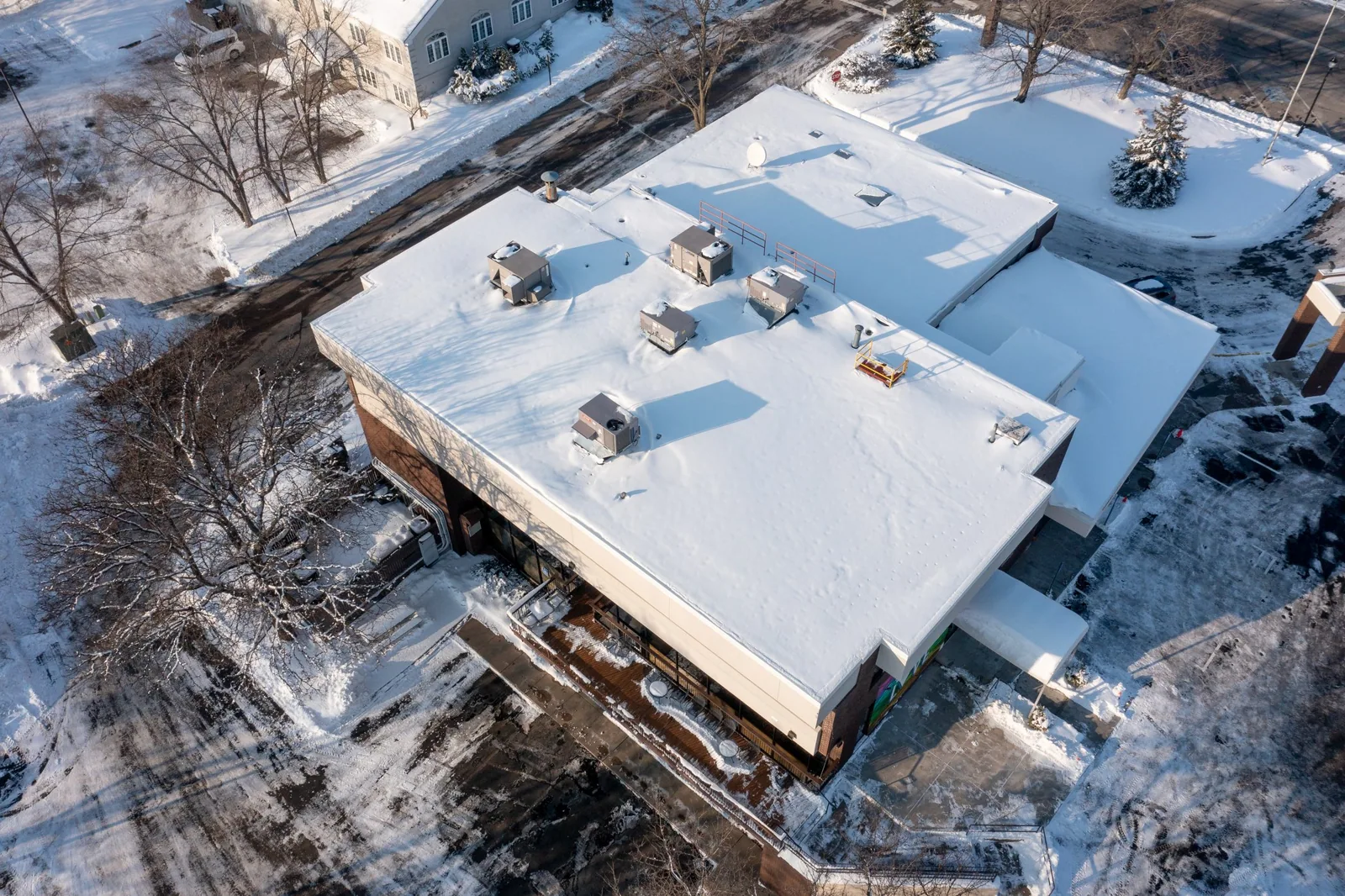
Related Roofing Work
More Roof Damage Repair
Browse every page in Roof Damage Repair, or request a roof assessment and we will walk the roof with you.
Document the Cambridge fire-affected roof
Send the property address, roof plan, reported fire and suppression areas, restoration contact, access restrictions, and available test records. We will inspect and document roof repair options by section.