
Solar-Ready Commercial Roofing in Cambridge, MA
Prepare a Cambridge roof for a planned solar array with review of condition, penetrations, drainage, access, and coordination with its designer.
An unsealed standoff or poorly placed conduit can turn a roof preparation project into a flashing repair. Solar-ready commercial roofing in Cambridge, MA starts with the existing membrane, drainage, service routes, and the array design supplied by the owner or installer. We inspect the roof, identify penetrations and access paths, and coordinate the roofing details before equipment is placed. Cambridge's commercial stock includes life-science, research, office, retail, and institutional uses. MIT and Kendall Square contribute to that mix, but no district description establishes whether a specific building can support solar equipment. The owner needs the actual roof assembly, structural review, electrical plan, and maintenance access considered together before the roofing scope is set.
What should be reviewed before an array is placed?
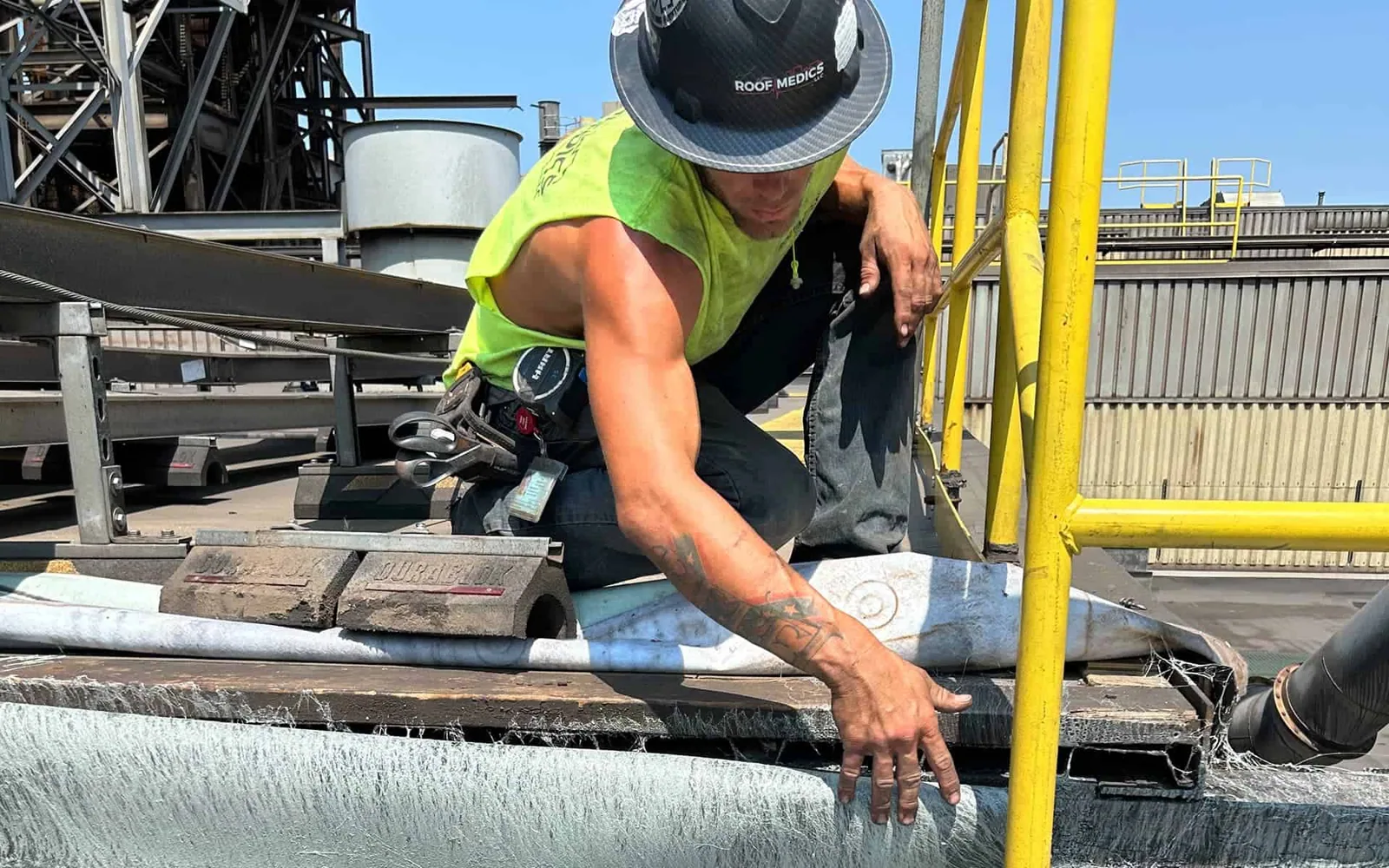
We inspect the membrane, seams, terminations, drains, curbs, and previous repairs across the proposed work area. The roof record should identify the membrane type and age if known, the remaining condition, and any moisture or deck issue that may affect the array schedule. Test openings can confirm layers at selected points. If the roof needs replacement or major repair, completing that work before array installation can avoid routing new supports and conduits across a failing surface.
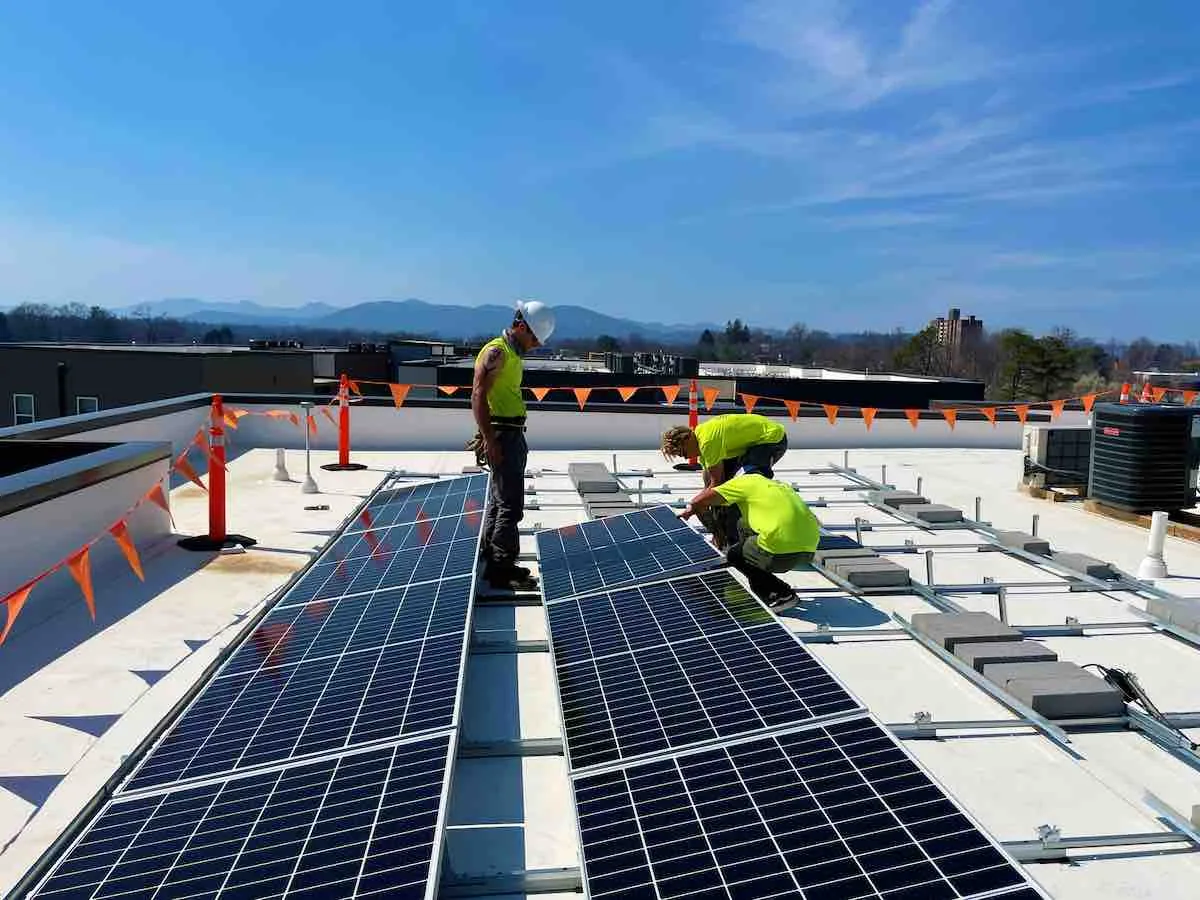
Solar plans should identify panel rows, ballast or attachment approach, equipment locations, access aisles, conduit paths, and disconnects. The roofing contractor reviews membrane penetrations and flashing details; a qualified structural professional reviews load and attachment capacity. We do not infer structural suitability from an aerial image or the building's use. A roof inspection can map existing details, while a roof assembly review can document layers and test openings for the design team.
How should roof work and array work be sequenced?
The sequence should identify who installs supports, who seals each penetration, who checks the membrane, and when the roof area is released for panel work. We coordinate around weather protection, lifts, material staging, roof access, and any air intakes or equipment that cannot be interrupted. If the existing roof needs replacement, the roofing scope can include planned support locations and flashing details before the array installer mobilizes. If panels are already present, we map the limits of access and agree on a safe route.
Cambridge Crossing and Kendall Square include research, commercial, residential, retail, and dining uses. The mix can affect lift placement, tenant routes, and roof access hours; it does not determine the structure or roof type at a particular property. We ask the building contact and array designer to confirm the work window, equipment shutdowns, and areas that must remain clear. An occupied-building sequence can set daily work limits and temporary tie-ins while the property remains in operation.
Where can solar hardware affect the roof?
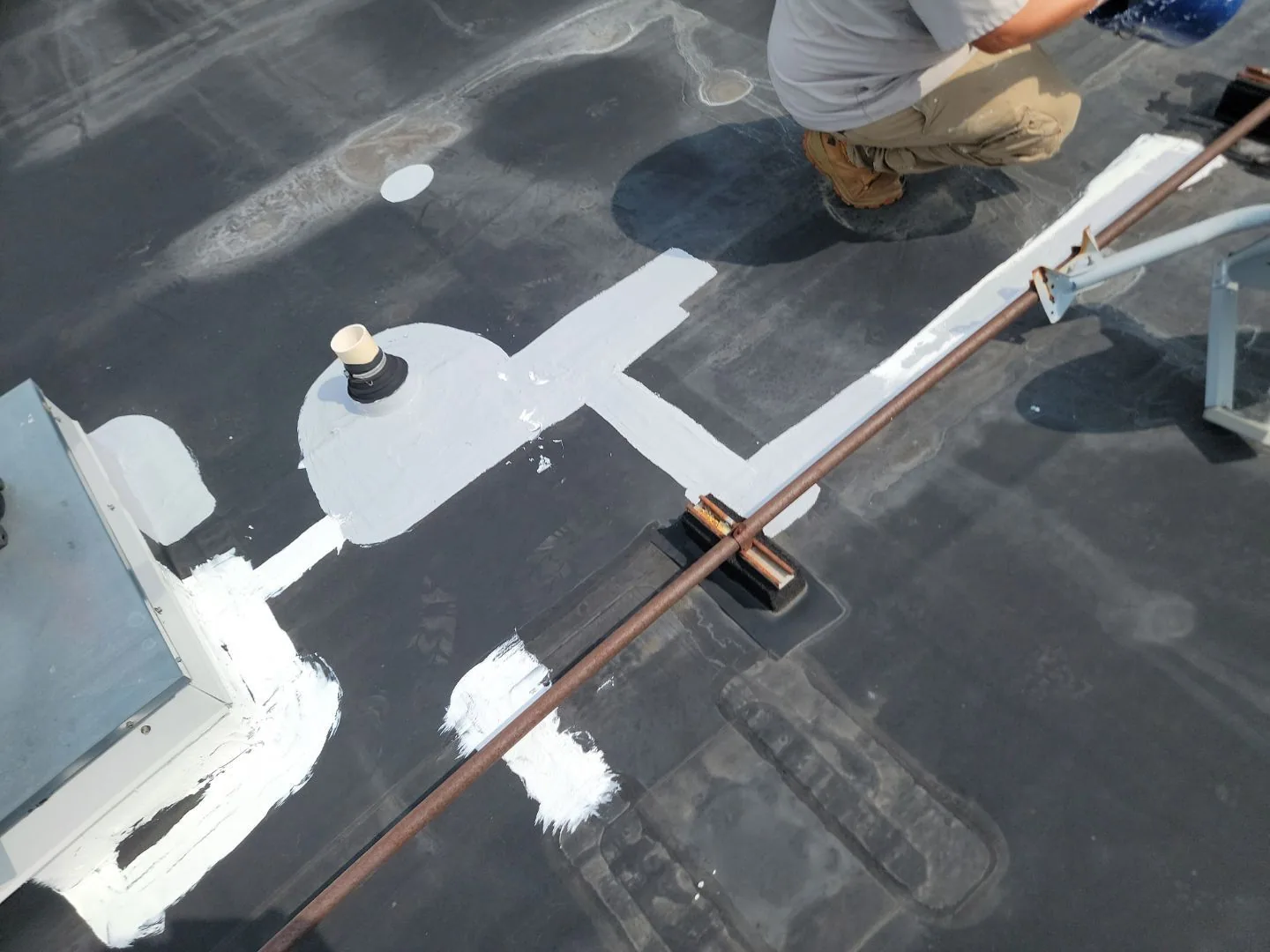
Array supports, walk pads, conduits, and electrical equipment all interact with the roof. A penetration requires a compatible boot or curb flashing; a ballasted support needs its load and surface protection addressed by the design team. We inspect where feet meet the membrane, where traffic crosses seams, and whether panel rows block access to drains or expansion joints. The plan should keep service access open and protect the membrane from sharp edges and repeated movement.
Drainage deserves particular attention when a panel layout changes wind patterns or places supports near low areas. We compare the drawing with drain bowls, scuppers, crickets, and overflow routes, then mark potential conflicts for the owner and designer. Cambridge's climate guidance notes heavier precipitation and more frequent winter flooding, which makes unobstructed outlet access practical. For a building in Kendall Square, we still trace the specific roof's discharge path rather than assume a shared district condition. A drainage review can be completed before supports are installed.
How is the roof protected after panels arrive?
Once an array is in place, future roofing access can become narrower. We document panel rows, support locations, walk paths, and the clearance available at curbs and drains. Repair planning should consider how panels are isolated or moved by the responsible solar contractor if the membrane beneath them needs work. The property file should identify who can authorize access and which party handles electrical shutdowns, panel removal, and reinstallation.
Harvard and MIT campuses contain specialized research spaces and institutional buildings, while the broader Cambridge market includes commercial facilities with different operating needs. Those contexts make coordination with the property manager and solar service provider important, but do not tell us the array's design. We mark approved routes and keep repair points reachable where the plan allows. If the roof is not yet ready for an array, a replacement project or a coating restoration can be evaluated before installation, based on the actual substrate and assembly.
What should the solar-ready record contain?
The closeout file should include the roof plan, array layout used for coordination, support and penetration locations, membrane details, test results, and photographs before the panels obscure access. We note which trades completed each connection and where the roofing work ends. If the plan changed during installation, we mark revised support locations and confirm that the roof details were inspected at those points.
For a MIT-area property or a Cambridge Crossing building, the record must identify the specific address and roof section within the larger district. We can preserve the images in a roof asset record and use them during later service visits. Dated photographs of panel clearances and drainage keep future crews from relying on a layout that may have changed after commissioning. We include the responsible contact for array handling and identify any area that could not be inspected once panels were set. If support locations differ from the coordinated plan, the record should show the final position and the related membrane work before the roof access route is closed.
A solar-ready record should map roof sections, penetrations, equipment clearances, access paths, and any membrane or structural review completed before array work. We note whether a proposed attachment has been approved for the roof assembly and who is responsible for flashing each penetration. If panels are installed by another contractor, the project handoff identifies who inspects the finished waterproofing and how future service can reach the roof without damaging the membrane. The record distinguishes roof work completed now from an array layout that remains a design proposal. That gives the owner a condition baseline before loading, ballast, or wiring changes the roof surface.
Commercial Roofing Questions
Can you confirm that the building is structurally ready for solar?
We review roof conditions and coordinate roofing details, but structural capacity and array attachment design require review by the qualified structural professional responsible for the project. We can provide observed assembly information and test locations to support that review.
Should a roof be replaced before solar panels are installed?
The existing condition and expected work sequence determine whether replacement should come first. We inspect the membrane, moisture, deck, and flashing, then identify repair or replacement needs before supports make access more difficult.
Who flashes solar penetrations?
The project documents should name the trade responsible for each roof opening and membrane tie-in. We coordinate the roofing detail with the array designer and installer, then record which penetrations were completed and inspected.
Will solar panels block roof drains?
They should not prevent inspection or access to drains, scuppers, and overflow routes. We compare the array layout with the drainage map and flag conflicts before installation so the design team can adjust supports or access paths.
Can roofing repairs be made after the array is installed?
Yes, but access may require coordination with the solar contractor to isolate or move panels. The property record should identify the service route, contact, and responsibility for electrical shutdown and array handling before a roofing repair is scheduled.
Related Roofing Work
More Commercial Roofing Services
Browse every page in Commercial Roofing Services, or request a roof assessment and we will walk the roof with you.
Coordinate the roof before the array layout is fixed
Share the Cambridge building address, roof plan and current system records, proposed array layout, access contact, and operating limits. We will inspect the roof and identify membrane, drainage, and penetration details for coordination with the design team.