
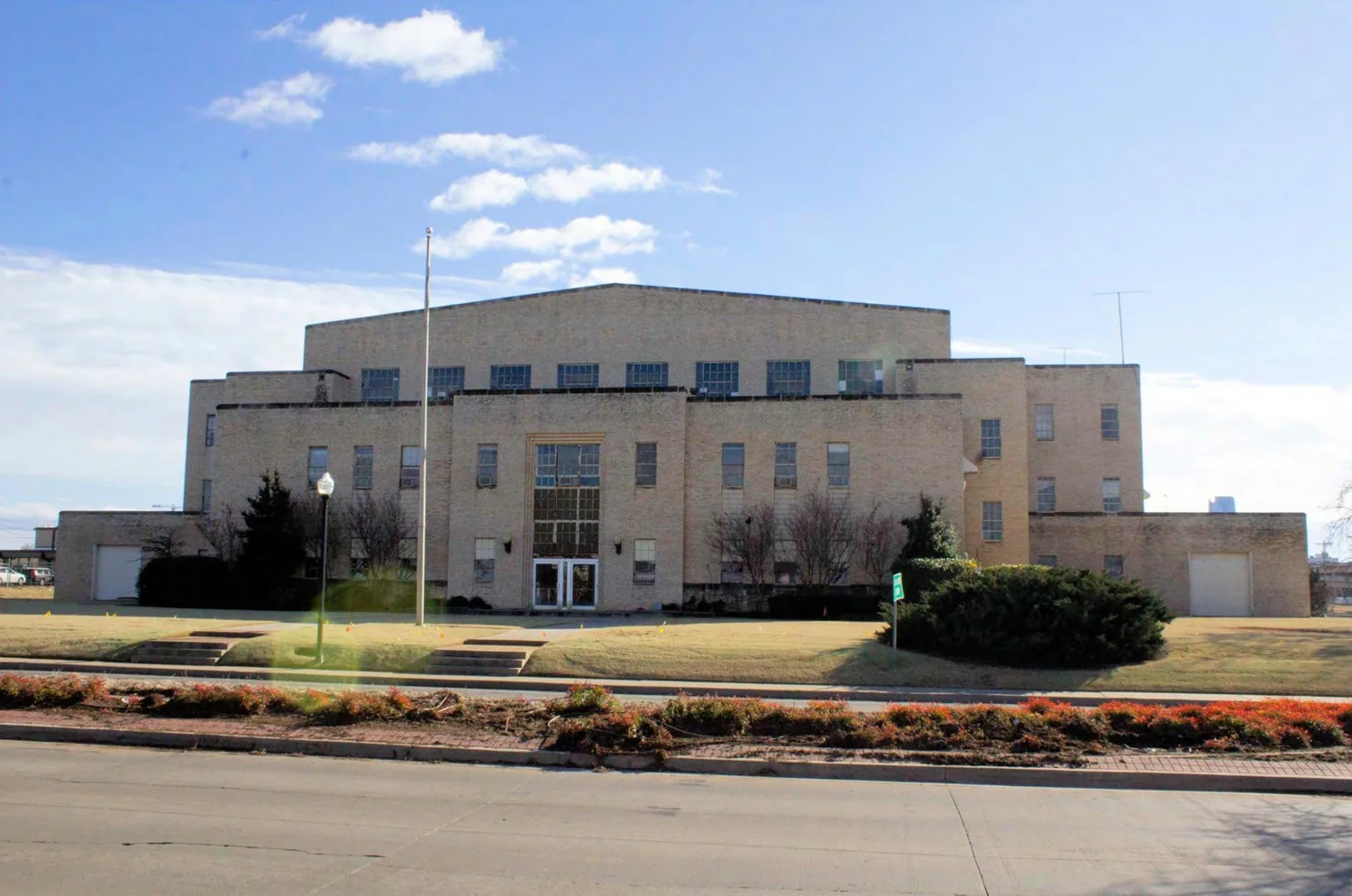
National Guard Armory Roofing in Cambridge, MA
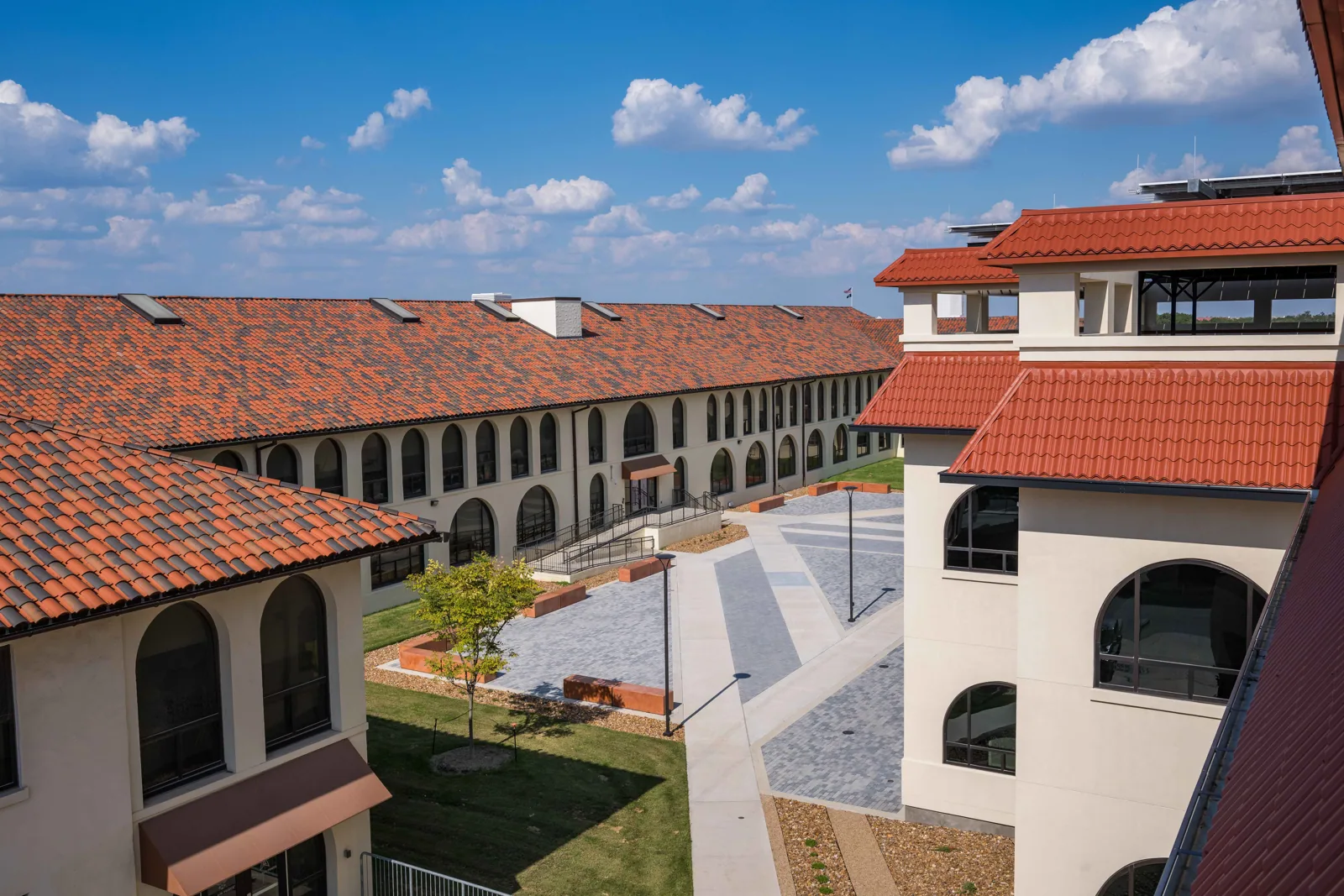
Inspect Cambridge-area Guard armory roofs for drill-shed transitions, drainage, access controls, and repairs documented by building and section.
A roof seam beside a drill-shed wall can direct water into an assembly joint rather than through the visible panel field. At a Cambridge-area National Guard property, we inspect that junction, the adjacent edge, and the nearest outlet before setting a repair limit. The Cambridge Armory has documented use for a Guard drill-shed ceremony, and the Massachusetts Guard operates Camp Curtis Guild across Reading, Wakefield, North Reading, and Lynnfield. These verified uses point to different facility schedules and access plans. They do not establish the roof material or condition at either property. We confirm each structure, roof section, and authorized contact before mobilization.
What should an armory roof walk include?
We start with the building plan, reported leak area, and route to the approved roof access point. The field inspection checks panel or membrane seams, parapets, wall flashing, hatches, curbs, penetrations, gutters, drains, and overflows. A water mark inside a drill area or office directs attention, but it does not identify the roof opening. Water may move along framing or insulation before reaching the interior. We note visible evidence, suspected paths, and any test needed to establish whether concealed materials are wet.
The Cambridge Armory report documents a drill-shed floor used for Guard activities. At Camp Curtis Guild, the listed site features include training areas, bivouac areas, engineer and vehicle-recovery training, and a helipad. We do not infer a roof type from those site functions. A roof condition survey can record the actual assembly by structure. If a vent, mast, or curb crosses the roof, a penetration inspection maps the flashing and attachment. A perimeter review checks edge metal and drainage discharge.
How can the work fit around drill and readiness use?
The unit or facility contact identifies drill dates, readiness activity, ceremonies, equipment movement, access rules, escort needs, and the hours when noise or staging must stop. We use those limits to place barriers and define the open roof section for each shift. The crew agrees on a weather-tight boundary before removal starts. If inspection reveals wet insulation or damaged deck outside the assigned area, we record the finding and wait for direction before extending work into the next section.
Central Square is Cambridge’s city-government seat and transit center, while the Cambridge Armory has its own drill-shed use. Nearby commercial routes do not determine the unit’s delivery gate or staging point. A phased occupied-building plan can list work windows, daily protection, and areas that stay available. At a Cambridge Crossing property, site management also sets its own loading access; the building contact confirms the correct procedure for the Guard facility.

How do we respond to water after a drill weekend?
When a leak is reported, we compare its location with the roof plan, seams, wall transitions, penetrations, and drainage above. If a storm or use window delayed reporting, we still inspect the water path and material condition rather than assuming the opening. Our after-hours service can dispatch on nights, weekends, and holidays once the authorized contact arranges entry. We document any temporary protection separately, then establish whether moisture testing or an approved opening is needed before permanent work.
The City reports heavier winter precipitation, more freeze-thaw variation, and more frequent flooding across Cambridge. Those conditions make drains and overflows worth recording during an inspection, but they do not show that a roof at an armory has failed. We label each photo by building and section, state what could not be accessed, and note follow-up. The record helps the facility team decide whether the repair can remain localized or requires a wider assembly review.
Can a single armory project include several roof systems?
Yes, if each roof area is surveyed and scoped separately. One structure may have different additions or roof planes, and an armory or readiness facility may include distinct buildings. Repair can address a confirmed seam or flashing defect when surrounding materials are sound. Recover work depends on attachment, layer count, moisture, drainage, deck, and clearance. Replacement allows inspection of concealed construction but increases material staging, debris handling, and temporary closure work. We report the basis for each option by building.
A base operations roof and a Coast Guard facility roof may have similar access controls, but the owner’s schedule and assembly determine the work sequence. A recover evaluation records test results and layers. A replacement scope lists removal, deck work, and transition details so a capital reviewer can compare the proposed limits with field evidence.
When an owner prepares several structures for funding review, separate roof narratives make the decision clearer. We state the tested area, the condition found, and the work excluded from that estimate. If follow-up requires access to a second building, its schedule and condition are recorded as a separate task instead of being folded into the first roof’s scope.
What should the Guard facilities file retain?
The closeout record identifies the armory or facility, building, roof section, system where confirmed, repair details, access restrictions, photos, and any open inspection item. We mark temporary closure separately from completed permanent work. A drill-shed or administrative area below the repair can be referenced by its plan location, keeping personal details out of the roofing record. If an escort or limited access prevented a full walk, the report identifies the boundary and the next visit needed.
The next roof review can compare the same panel, edge, drain, or flashing with dated photos. Cambridge’s winter conditions make an outlet note useful in seasonal maintenance planning, while the current inspection still sets the actual repair priority. The history remains attached to a building and section, even if the contact changes. That makes it easier to request another approved access window without relying on verbal notes from the previous crew.
The facilities file should retain the access authorization, building identifier, roof section, approved photo record, repair detail, and any area left uninspected. If the unit calendar changes after the inspection, the contact can use the documented closure point to plan a return without reopening completed work. We note material and test results only where confirmed and keep temporary protection separate from a permanent repair. A building inventory or ceremony record may establish how a space is used, but it cannot establish the roof assembly. The next scope therefore begins with the property plan and field verification, not with assumptions copied from a neighboring Guard facility.
Commercial Roofing Questions
Can roofing work be scheduled around drill dates?
The unit contact provides drill dates, readiness activities, and access restrictions. We use that calendar to set inspection and repair windows, then confirm barriers and roof closure for each shift.
Does the Cambridge Armory use the same roof system as Camp Curtis Guild?
We make no assumption about matching systems. Each building is inspected and recorded separately, and the existing membrane or metal is confirmed in the field.
What if the roof condition extends beyond the approved section?
We stop at a weather-tight limit, document the condition and photos, and request approval for a larger work area. The crew proceeds after the facility contact confirms the revised scope.
Can a leak be addressed after a weekend drill?
Our after-hours service can coordinate a visit at night, over a weekend, or on a holiday, subject to facility access. We locate the opening and record temporary work before permanent repairs are planned.
What records help prepare an armory roofing bid?
Provide building identifiers, roof plans, prior reports, reported leak areas, access contact, drill calendar, and any restrictions on vehicles or staging. The inspection verifies system and repair limits.
Related Roofing Work
More Property Types We Roof
Browse every page in Property Types We Roof, or request a roof assessment and we will walk the roof with you.
Set an armory roof inspection around unit operations
Send the facility and building identifiers, roof plan and repair history, reported condition, access contact, drill calendar, and work restrictions. We will document the roof by building and section.