
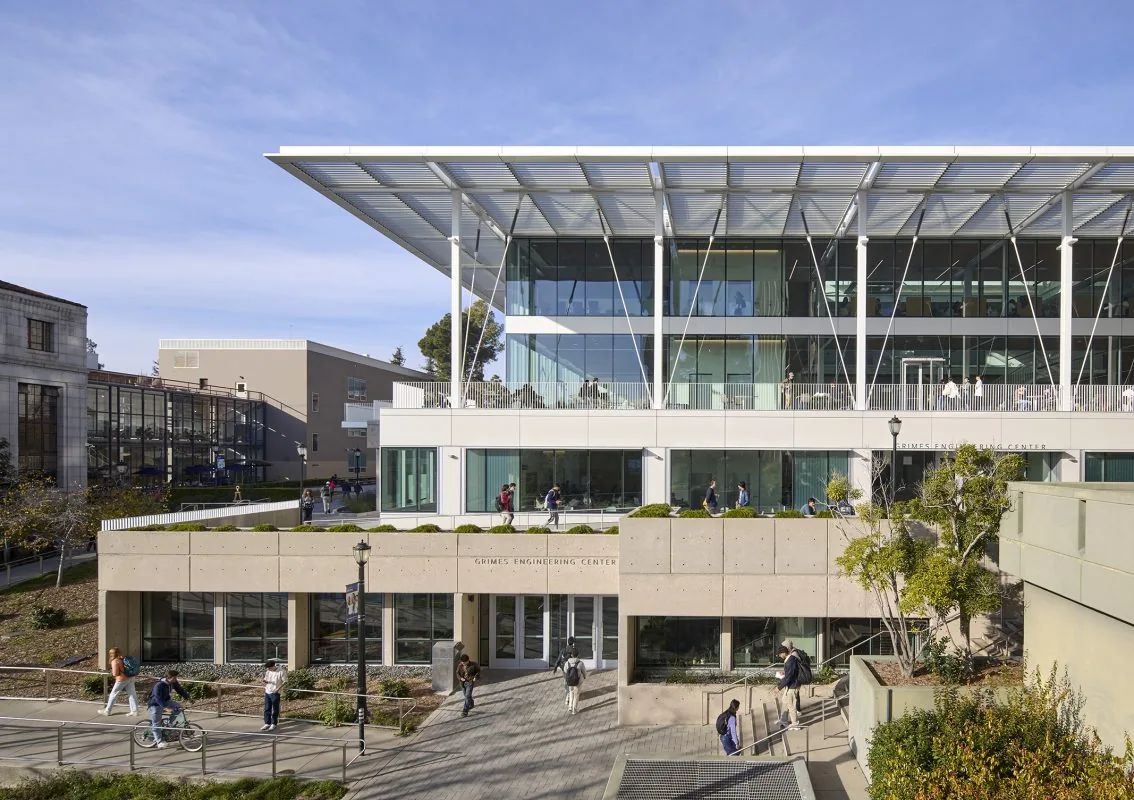
College and University Roofing in Cambridge, MA
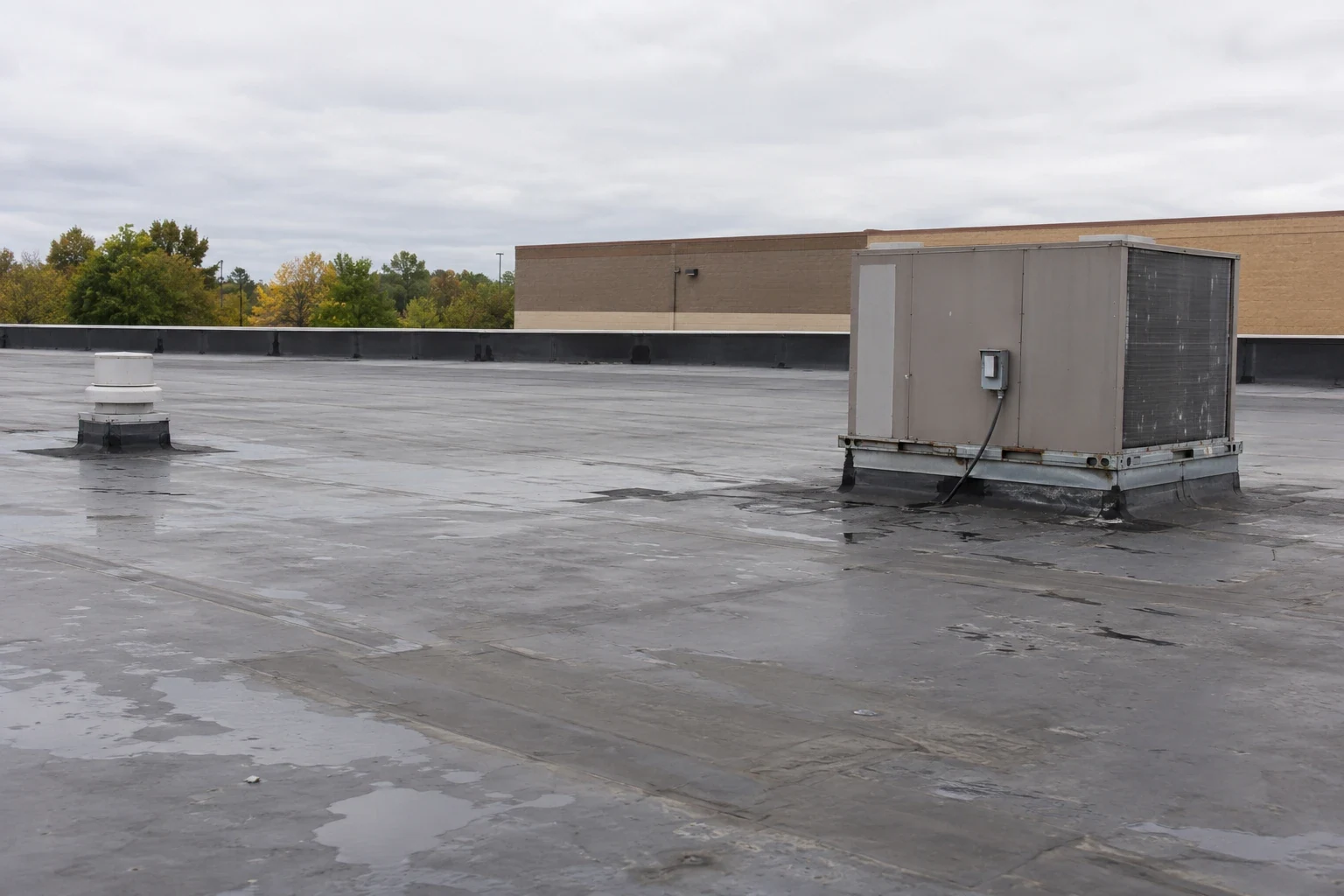
Coordinate Cambridge college and university roof work around academic schedules, building access, drains, equipment curbs, and phased closures.
A roof walkway between a lecture wing and a laboratory changes where we begin a Cambridge university roof inspection. We check the expansion joint, curb flashing, and drain route before assigning a ceiling report to that transition. MIT's campus spans more than a mile along the Charles River and includes specialized research and testing spaces; Harvard Square brings academic buildings together with transit, retail, arts, and cultural uses. Those local facts make campus access and scheduling specific, but do not identify any building's roof system. We review the facilities team's records, confirm the roof areas in scope, and mark observations by building and section.
How do campus buildings differ from one roof to the next?
A university property can include teaching spaces, laboratories, administration, housing, and support buildings, each with its own access route and roof details. We identify the building first, then inspect seams, expansion joints, parapets, curbs, drains, and mechanical penetrations. A defect on one wing does not establish the condition of another structure. Our field sheet uses the campus's building label and a roof-section marker so photos can be returned to the right facilities record.
MIT's campus research facilities include labs, clean rooms, makerspaces, and testing spaces. That mix makes air intake and equipment coordination important during a site visit, though the facility contact confirms which controls apply to a particular roof. A campus roof inspection can document detail condition and access limits. If equipment mounts or pipe supports intersect the field, a curb and support review can trace the membrane interface without assuming the same design across campus.
What changes during term and summer work?
We plan mobilization around class calendars, residence-hall access, deliveries, events, and approved building hours. The facilities contact confirms what remains occupied, how workers reach the roof, and which paths need protection below. Material staging, lifts, noisy work, and temporary closures are tied to roof sections. A break period may open a useful window, but rain, wind, material arrival, and concealed deck conditions still set how much work can be closed each shift. The plan also accounts for debris removal, fire exits, posted notices, and any area where building staff need to pass beneath the roof activity.
Harvard Square is a pedestrian-oriented district with Red Line and bus connections, while MIT's campus extends through several building areas beside the Charles River. These facts help frame travel and access coordination; the actual route and work hour come from campus operations. A phased campus work plan sets sections, notices, and daily weather-tight checkpoints. A roof visit on the MIT campus requires the specific building address and access contact rather than a campus-wide assumption.
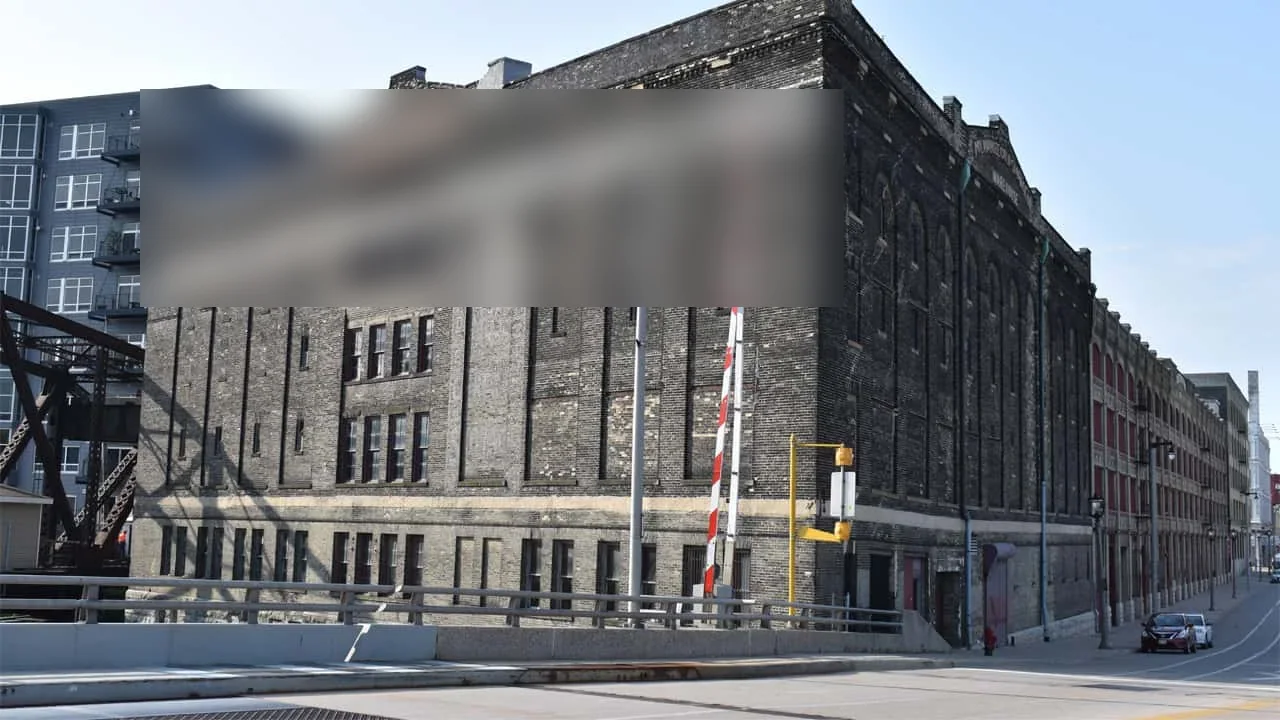
Which leak reports need a closer roof test?
A ceiling mark below a lab, residence hall, or administrative space points the inspection toward a building area, but water can migrate along a deck before it appears. We compare the report with roof slope, expansion joints, mechanical curbs, and drains. If the assembly contains multiple layers, a test opening or moisture survey may be needed before we define the repair. Notes separate a confirmed opening from suspected moisture and list any access limit that prevented a full check.
Cambridge's winters are trending toward heavier precipitation and additional freeze-thaw swings. After a report, we inspect the drain bowl, overflow, and nearby edge details for the condition actually present. If the outlet is blocked, a drainage correction can be scoped separately from a seam repair. Our emergency response is available overnight, all week, and on holidays when an opening needs prompt protection. A later permanent repair visit can verify the layer and document the completed tie-in.
Should the campus repair or replace an assembly?
A local repair can address a contained opening when surrounding membrane, insulation, and deck remain suitable. Broader wet areas, repeated seam failure, or a brittle surface can require more investigation. A recover adds a layer only when the existing assembly, attachment, moisture results, and edge heights support it. Replacement offers access to concealed construction but adds removal and dry-in work. We record test findings and exclusions so the facilities team can compare options building by building.
A K-12 school roof and a hospital roof may share drainage and curb details, yet their operating schedules differ from a university's. We review the membrane, deck, and roof records for the specific campus building instead of transferring assumptions from another property. A recover assessment can document retained layers and test results; a capital recommendation should distinguish confirmed condition from an allowance for concealed work.
What should campus facilities retain after roofing work?
The closeout file identifies the building and roof section, membrane or metal layers where confirmed, repairs, test locations, drainage connections, and areas not accessed. Photographs show each transition with a roof-plan reference. We record temporary weather protection separately from completed work and list any test or follow-up visit that remains open. If campus records use a building number, wing name, and department label, the closeout can carry each identifier so staff can match photos across facilities and maintenance systems. We also mark any roof route that requires an escort. This lets campus staff compare maintenance calls without mixing records from adjacent buildings.
A Harvard Square campus-area record should identify the actual property rather than rely on the district name alone. A roof condition report can retain images and recommended follow-up for capital planning. MIT's campus facilities and Harvard Square's academic assets make Cambridge a place with varied institutional buildings, but the next roof decision still comes from the assembly and observations recorded for that building.
A campus handoff should use building and roof-section identifiers already recognized by facilities, then attach dated photos, test results, and any revised access notes. We record whether the work took place above a classroom, laboratory, residence, or service area only when the property contact confirms it. A roof plan may show multiple additions or system changes, so the record marks where an assembly was verified and where it remains unknown. If future work is scheduled during a break, the open items should include the date when the roof must be weather-tight and the person approving access. This keeps the academic calendar connected to specific roof tasks.
Commercial Roofing Questions
Can campus roof work happen during the academic year?
The facilities team sets the access and occupancy constraints. We can phase work by roof section, confirm protections below, and record a daily weather-tight limit. Weather and hidden deck conditions can change the plan, so the contact receives updates when boundaries move.
Do you need separate roof records for every campus building?
Yes. Each building can have a different assembly, access route, and maintenance history. We identify the structure and roof section on the inspection notes so a finding at one building is not assigned to another.
How do you inspect roofs near laboratory equipment?
We coordinate with the campus contact on intakes, equipment clearance, restricted zones, and permitted work windows. The roof walk documents accessible curbs and transitions, while any area outside the approved route is listed as not inspected.
What happens if a roof leaks during a holiday closure?
Our emergency response is available through weekends and holidays at any hour. We coordinate entry with campus operations, locate the opening, and document temporary protection. A permanent repair follows after the affected assembly can be reviewed.
What campus information helps scope a reroof?
Send the Cambridge address, building identifier, roof plan, system and repair records, calendar restrictions, access contact, and reported condition. Those details help plan a visit, while inspection confirms the roof layers and limits.
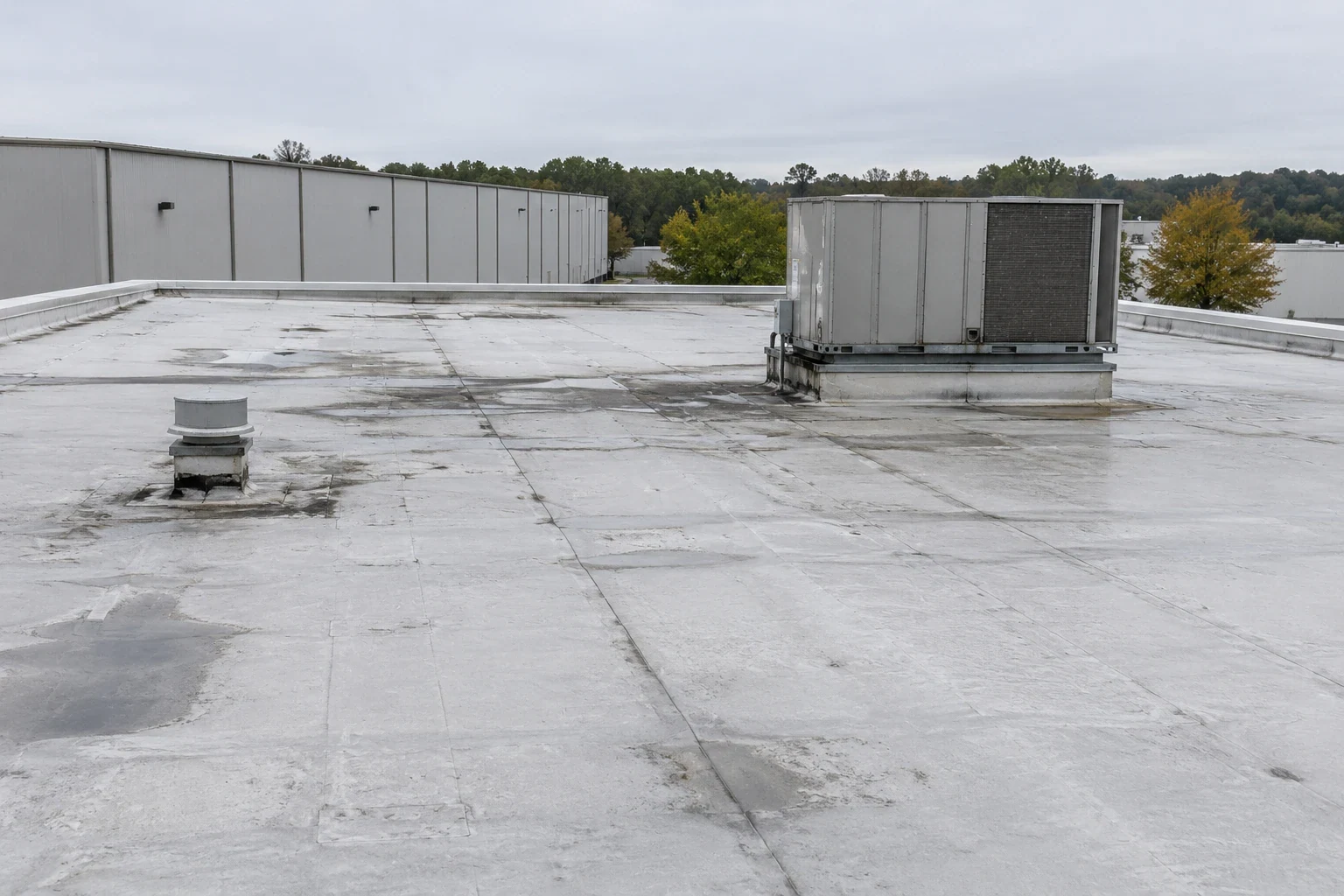
Related Roofing Work
More Property Types We Roof
Browse every page in Property Types We Roof, or request a roof assessment and we will walk the roof with you.
Scope university roofing by building
Send the Cambridge address and building identifier, roof plans and service records, reported condition, access contact, and academic calendar restrictions. We will document each affected roof section and the supported next step.