
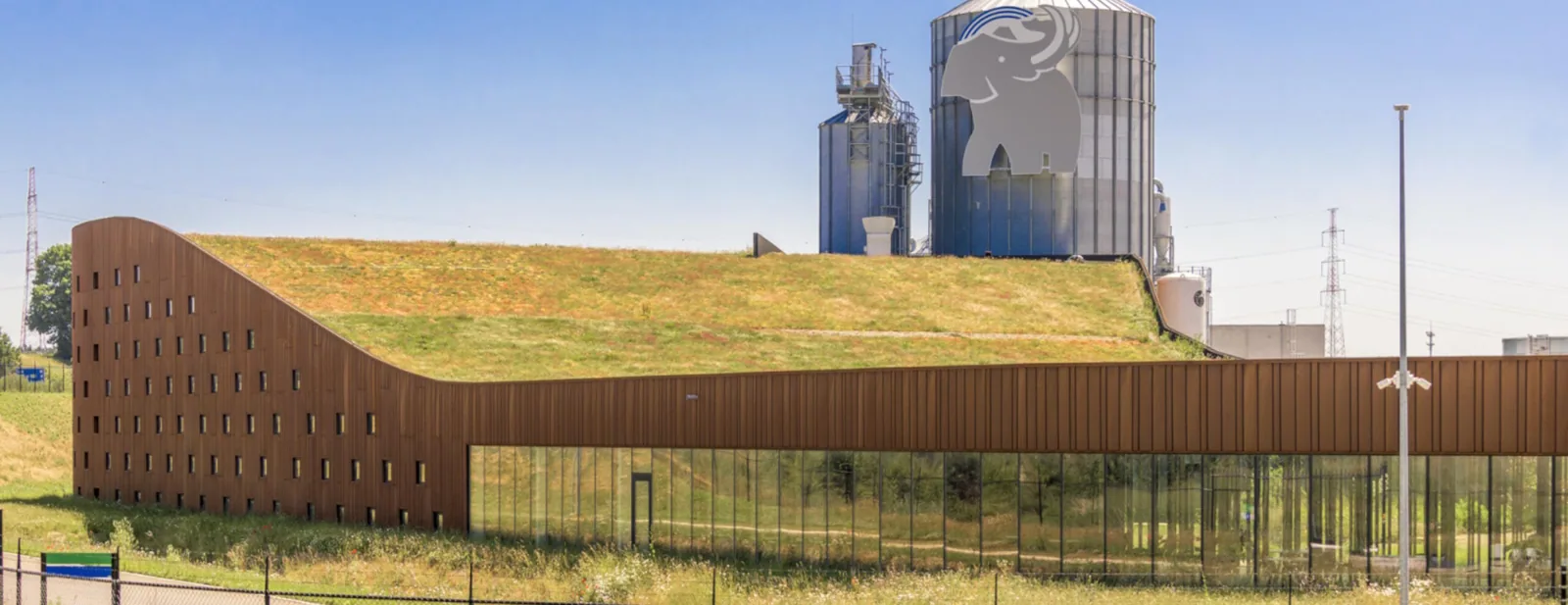
SOPREMA Commercial Roofing in Cambridge, MA
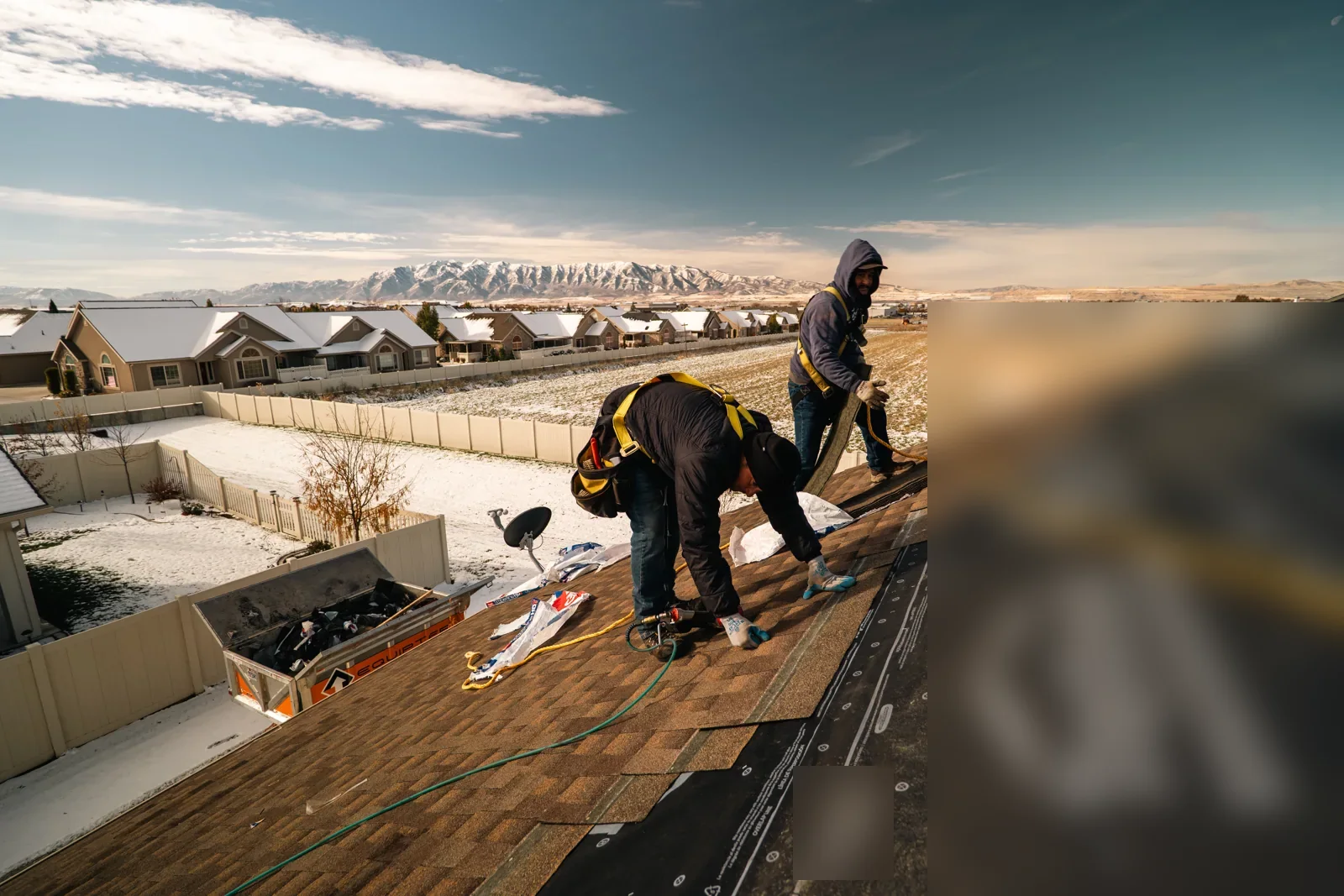
Review SOPREMA commercial roofing in Cambridge with checks for SBS membranes, PVC, liquid-applied details, substrate, drainage, and repair scope.
A lifted cap-sheet lap over a drain run can need a different repair than a split in a liquid-applied flashing. We identify the SOPREMA system from submittals and roof details, then follow the membrane through the drain, curb, wall, and edge transitions. Cambridge's City-reported shift toward heavier precipitation and more thaw-freeze movement makes drainage conditions worth recording, while Cambridge Crossing combines commercial, residential, dining, and retail uses that can shape site coordination. Neither a district nor a product brand identifies the installed roof; the field record does.
Which SOPREMA roofing family is present?
SOPREMA's commercial portfolio includes SBS-modified bitumen membranes, synthetic PVC single-ply, and PMMA/PMA liquid-applied products. Each has a distinct assembly and repair sequence. We inspect the cap surface, base and interply laps, sheet backing, welds or application transitions, and any visible labels before calling the system. A modified-bitumen inspection checks the plies and flashing continuity, while a PVC review follows thermoplastic seams and compatible details. A liquid flashing or resin detail may appear around a penetration without representing the full field membrane. We compare the transition with approved drawings where available and identify whether the exposed layer is sheet membrane, bituminous ply, or liquid reinforcement. At an irregular pipe cluster, we check each boot or pourable pocket and the common curb base. A detail that ends at the curb may need its own flashing repair even if the main field is sound. We label each material and test result separately so a future repair does not bridge incompatible products or conceal the original transition.
What does an SBS lap reveal?
At an SBS roof, we inspect laps, cap sheet, base flashing, blisters, fishmouths, and transitions where water may track beneath a ply. A visible wrinkle can be a local application issue or a movement detail; we document the surrounding conditions before recommending a cutback or patch. We check nearby drains and scuppers and note whether water remains after a rainfall. The flashing review checks vertical surfaces and termination, while ponding assessment documents whether an outlet or low area contributes to the condition. We distinguish surface wear from wet insulation or deck concerns that require testing.
How is a PVC or liquid-applied repair different?
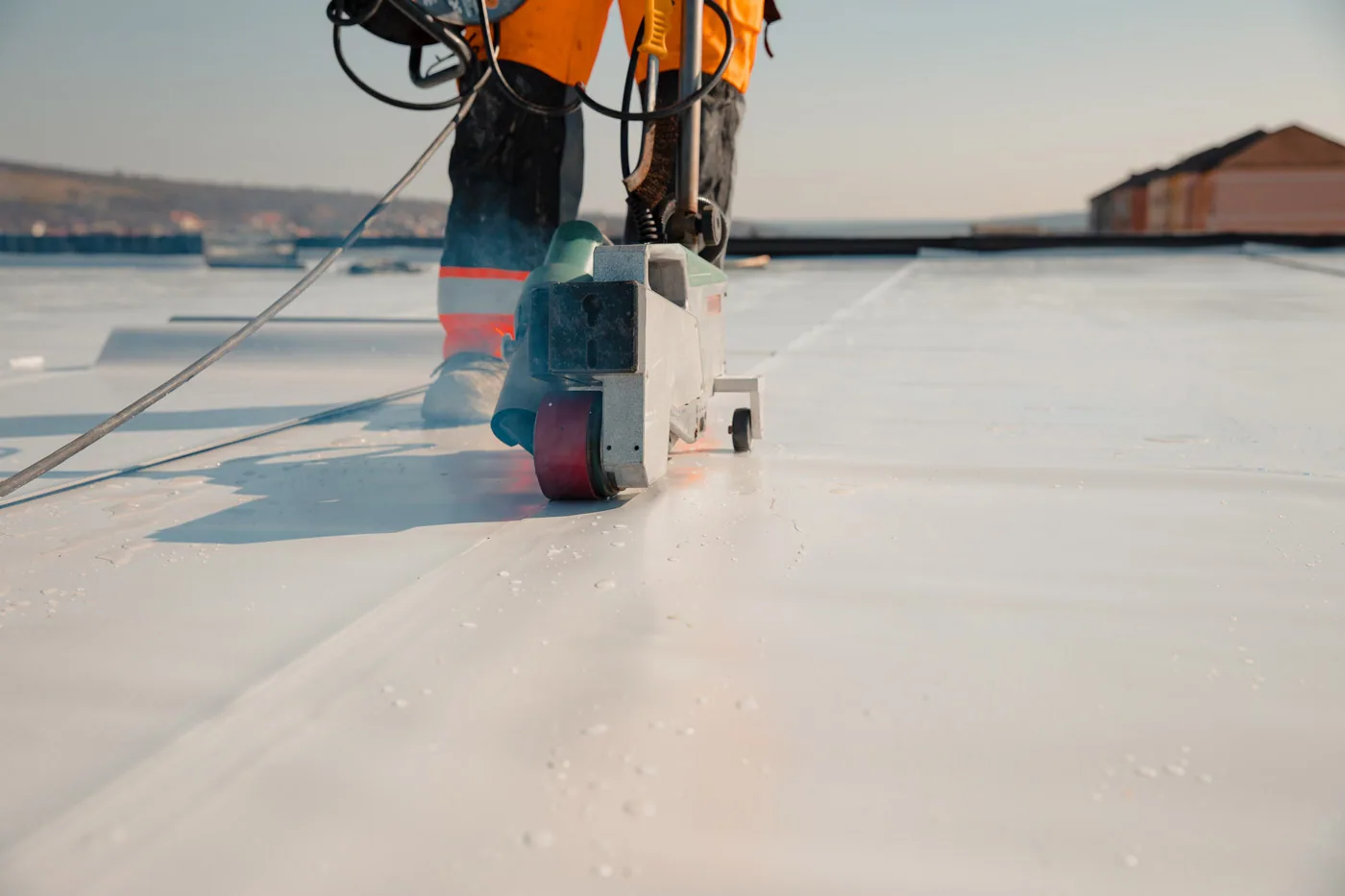
A SOPREMA PVC field seam uses a thermoplastic weld; PMMA/PMA liquids are applied as a resin system with its own substrate and reinforcement requirements. We identify which material is present and avoid bridging between products without written system details. At a drain, curb, or irregular penetration, the transition geometry and preparation area matter as much as the exposed surface. A penetration inspection maps that detail, and a repair scope records the selected product, preparation, and limits. If the sheet or resin is part of a larger assembly, we inspect the field before deciding whether a local detail can stand alone. We also trace liquid resin flashing into the field membrane and record the termination edge, reinforcement, and cure condition if visible. A separate resin detail may connect to an SBS or PVC assembly, but product family and approved detail must be known. We avoid applying one material across an unverified transition. If the records are incomplete, a technical submittal or test area can resolve compatibility before a larger repair starts.
Can the SOPREMA system be restored or recovered?
A coating, recover, or new membrane depends on adhesion, moisture, existing layers, drain height, attachment, and compatibility. We inspect seams and exposed plies, check soft areas, and identify whether a test opening is needed. The City identifies intense storms and flood exposure as Cambridge climate risks, which makes a clear overflow path a practical part of the assessment. A restoration evaluation checks substrate and adhesion; a recover review documents layer count, curb height, and drainage. If those conditions cannot be supported, we outline tear-off and replacement rather than burying a defect.
What should maintenance check?
Routine visits can check drains, overflows, exposed lap edges, liquid-applied transitions, perimeter metal, and penetrations. We photograph conditions by roof section and track repairs that need a return test. In Central Square, government, transit, and commercial activity can make access windows part of the plan. A maintenance schedule records the date, areas reached, cleaning completed, and open conditions so a later leak call can be compared with the prior visit. We note where a building has a mixed roof system rather than assuming one product covers all elevations. The maintenance record can also carry cleaning dates, drain condition, open seam observations, and photos of previously repaired areas. If a roof is split between SBS field sheets, PVC additions, and liquid-applied details, we identify the boundaries between them. The next visit can then follow each product path with the right preparation and inspection method instead of relying on a generic membrane checklist.
What belongs in a SOPREMA repair record?
The record identifies the product family when confirmed, the repair area, substrate preparation, material and reinforcement used, seam or cure result, closeout photos, and unresolved items. If the roof has several product types, we separate each section and keep its details distinct. Owners considering a different system can compare GAF commercial membranes or Duro-Last PVC systems, but product availability does not establish suitability for the existing assembly. For service near Cambridge Crossing, send the address, roof plan, SOPREMA submittal, reported condition, access contact, and work window. We will document the roof evidence and next action. The report distinguishes a temporary water stop from a permanent repair and identifies any retest, material cure, or access return required to close the work order. We retain material identifiers and section-marked photographs with the project file. If a later visit finds movement or another leak path nearby, the owner can compare that condition to the original repair boundary without treating it as the same failure.
The record should distinguish a sheet lap from a liquid-applied detail and identify the surface being repaired. An SBS-modified bitumen lap, a PVC seam, and a reinforced liquid flashing have different preparation and tie-in requirements. We document the existing material, substrate condition, repair width, reinforcement, and the termination at nearby walls or curbs. Where an assembly includes more than one product family, a generic manufacturer label is not enough to select a compatible patch. If the surface is wet, loose, or contaminated, that condition is resolved or listed as an exclusion before application. Photos should show the completed tie-in and the surrounding roof section.
Commercial Roofing Questions
Does SOPREMA make only modified-bitumen roofing?
No. Its commercial range also includes synthetic PVC membranes and PMMA/PMA liquid-applied systems. We identify the installed family before inspecting seams, plies, or resin details.
Can a liquid-applied SOPREMA detail repair a membrane seam?
Only if the specified system and substrate support that use. We inspect the exact assembly and follow compatible preparation and reinforcement details; we do not substitute a resin for an unrelated membrane repair.
Can an SBS roof be repaired at one lap?
A localized lap repair may be possible if surrounding plies and substrate remain sound. We inspect adjoining areas and drainage before defining a patch, and record any wet insulation or repeated failure separately.
How do you assess a recover over SOPREMA roofing?
We document existing layer count, moisture, attachment, drains, curbs, and perimeter conditions. A recover is appropriate only when those conditions and the proposed system detail can be supported.
What records help with a SOPREMA inspection?
Send the Cambridge roof plan, product submittal, prior repair notes, reported leak area, warranty information, access contact, and operating window. We will compare the documents with field conditions.
Related Roofing Work
More Roofing Manufacturers
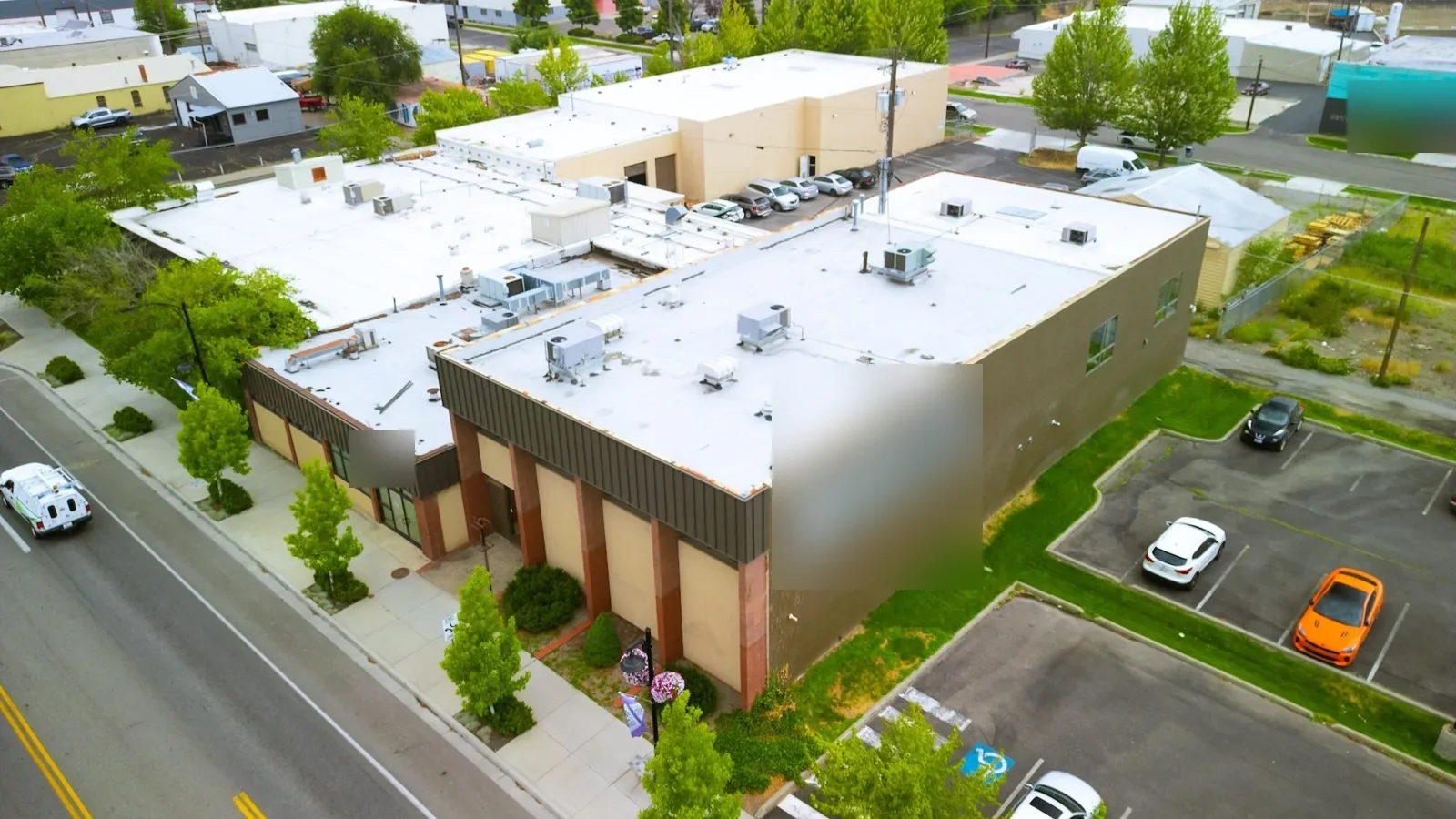
Browse every page in Roofing Manufacturers, or request a roof assessment and we will walk the roof with you.
Inspect a SOPREMA roof assembly
Provide the Cambridge site address, roof plan, SOPREMA system record, reported condition, access contact, and available work window. We will identify the installed family and document the section that needs review.