Commercial Roofing for Cambridge Hospitality Groups
Coordinate Cambridge hotel and hospitality roof work around guest access, arrivals, kitchens, equipment, drainage, and repair records by building section.
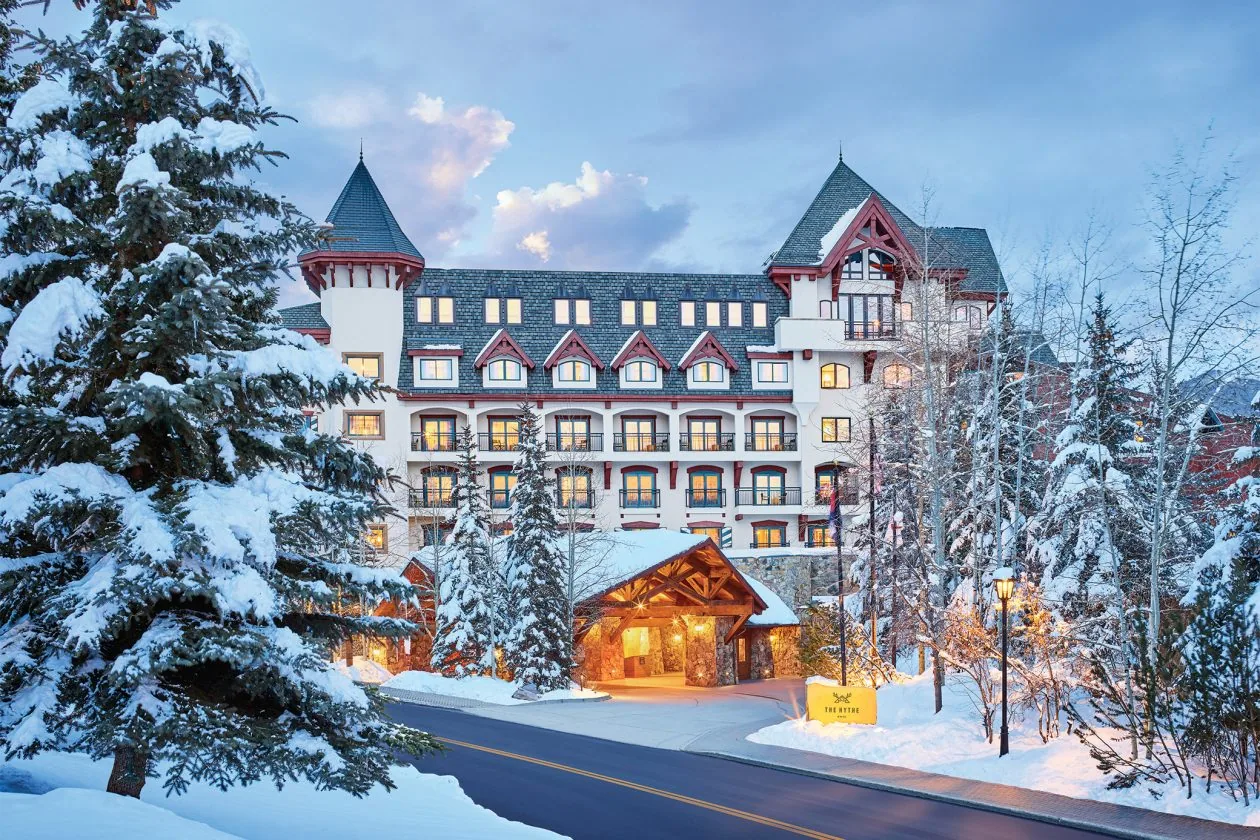
A failed flashing at a rooftop unit can send water toward guest corridors even when the room report sits on another floor. For Cambridge hospitality groups, we trace that report to the roof, inspect curbs, drains, and wall transitions, and plan access around arrivals and events. The City identifies riverfront hotels in East Cambridge and hotels among the mixed uses serving Kendall Square. Cambridge Crossing also includes commercial, residential, dining, and retail space. These facts describe the city’s hospitality setting, not the roof type or operating plan at a named hotel. We verify each property and coordinate with its facility contact.
Which roof details matter above guest areas?
We compare the guest or banquet-area report with roof slopes, membrane seams, hatches, exhausts, cooling units, drains, and perimeter details. Water can move before it appears indoors, so the ceiling location guides the inspection but does not set the repair boundary. Photos mark the curb or seam, roof section, and test location. If moisture may be concealed, we identify how a survey or selected opening could confirm it before the hotel considers a larger scope.
Kendall Square includes hotels alongside research facilities, shops, restaurants, and housing. East Cambridge has riverfront hotels and residential uses near CambridgeSide. Those nearby settings can affect delivery routes and pedestrian control, but the hotel manager sets the actual service entrance. A roof inspection documents field conditions. A mechanical curb review checks flashing and support details. For an outlet near guest rooms or a terrace, a drain and overflow survey records how water leaves the roof.
How can crews work around arrivals and events?
The hotel identifies check-in periods, event schedules, loading access, guest entrances, service corridors, roof hatch locations, and areas below the planned work. We use those constraints to schedule material lifts, barriers, and daily closure points. Odor, noise, and hot work depend on the selected assembly and conditions, so the hotel contact reviews controls before work begins. If a test opening changes the scope, the crew documents the finding and confirms the revised area before closing another guest route.
Harvard Square combines university, retail, restaurants, arts, and transit activity, while East Cambridge has a distinct mix of hotels, apartments, and businesses. A hotel’s own access rules control regardless of neighborhood. An occupied-hotel sequence can stage roof work around guest operations. At a Kendall Square property, we confirm the loading and roof-access route with the building manager rather than infer it from the district profile.
If a hotel has a separate kitchen, ballroom, or rooftop amenity, the manager can identify its operating hours and the rooms below each roof section. We use that information to stage deliveries and isolate noise or odors where the work method permits. The plan also states which roof area can be opened in one shift and what temporary closure will protect the property overnight.
What should happen when a guest room reports water?
We record the room or public area, date, weather, and roof section that may sit above it. The inspection checks the associated seam, curb, drain, and wall transition before assigning a cause. An active leak can be routed to our emergency crew at any hour, including holidays, after the hotel approves access. We locate the entry and protect the room or public area when safe, then identify any testing needed to establish the permanent repair.
Cambridge winter guidance describes heavier precipitation, more flooding, and additional freeze-thaw changes. We include drain and overflow checks in the field walk, while those citywide conditions do not prove damage at a hotel. If the issue may relate to condensate or plumbing, we keep the roof evidence and mechanical question distinct until the inspection clarifies the path. The hotel receives a note that identifies the affected area without putting guest information in roof photos.
Should the group repair or replace the roof?
A localized seam, curb, or edge repair may address an isolated defect when the surrounding roof remains sound. A recover depends on moisture, attachment, existing layers, drainage, and remaining height at curbs. Replacement exposes concealed construction but requires tear-off, debris movement, and temporary protection near occupied rooms. We compare those options using the tested area and confirmed assembly. If several buildings are involved, each one receives a separate finding rather than a portfolio-wide conclusion from a single roof walk.
A retail and dining portfolio may need store-hour coordination; a property manager can coordinate tenant notices across mixed-use buildings. Hotel guest schedules add their own access needs. A recover assessment documents retained layers and testing. A replacement scope names work limits, daily dry-in, and flashing transitions for review by facilities and ownership.
What should hotel engineering retain?
The closeout identifies the property, building, roof section, system where confirmed, repaired detail, test points, photos, work windows, and any area not accessed. We label temporary closure separately from completed work. Photos use roof-plan references and do not include guest names or room-registration data. The report can also note whether a guest or event route was restricted and when it reopened, giving hotel operations a traceable handoff.
A later inspection can compare the same curb, seam, or outlet with dated images. Cambridge’s winter precipitation pattern makes those drainage notes useful when scheduling maintenance. A new survey establishes current condition and shows whether a repair changed. A roof condition record can keep repair history with the building, even as engineering staff and hospitality operators change.
For a group with several Cambridge buildings, the engineering file should keep each address, equipment layout, repair photo, and access note together. We can use a consistent report format while recording different roof assemblies and site controls. That makes a future inspection easier to schedule after an ownership, brand, or facilities change and prevents one hotel’s repair from being copied to another property’s record.
A hotel handoff should link the service request to the room or public area where water was reported and the roof section checked above it. We record whether the room was occupied, what protection was placed inside, and when the roof opening was closed. Guest or staff reports help narrow the inspection route, but they do not identify the entry detail. If a temporary cover remains, the log identifies who can check it, the next inspection window, and what weather or access condition could change the response. Keeping those details with the repair photograph helps engineering separate a repeat leak at one transition from a different issue in another wing.
Commercial Roofing Questions
Can roof work happen while a hotel remains open?
The hotel identifies guest routes, events, quiet periods, and loading controls. We plan barriers and roof closures around those details, subject to weather, access approval, and the condition found.
How do you protect guest privacy during leak response?
We identify the affected area by building or plan reference and keep personal guest details out of roof documentation. Hotel staff manages any room relocation or guest communication.
Can repairs be scheduled between events?
The events calendar helps select a work window. We confirm roof access, noise controls, material lifts, and daily closure with engineering before opening the assembly.
What if an active leak appears at night?
We can coordinate a night or holiday response once the hotel approves access. The crew locates the opening, protects the affected space if safe, and records the permanent repair that remains.
What information helps plan a hotel roof survey?
Send the property address, roof plan, equipment layout, reported area, guest and event schedules, engineering contact, and access rules. The walk confirms system and repair limits.
Related Roofing Work
More Industries We Serve
Browse every page in Industries We Serve, or request a roof assessment and we will walk the roof with you.
Plan roof work around guest operations
Send the Cambridge property address, roof plan and repair records, reported condition, event and arrival schedule, engineering contact, and preferred work window. We will document findings and phase options.