
Heat and UV Roof Damage Repair in Cambridge, MA
Address heat and UV wear on Cambridge commercial roofs with a field review of membrane condition, seams, flashing, drainage, and repair options.
A chalked membrane at a curb can change the repair boundary before a roof shows an interior leak. We check the surface, seam welds, flashing, drain bowl, and exposed edge to see whether heat and ultraviolet exposure have affected one detail or a larger field. Cambridge's climate vulnerability assessment identifies increasing temperatures and more intense storms among local physical risks. Kendall Square's research, life-science, hospitality, and retail activity makes roof access planning part of the visit, while the roof assembly itself must be identified from records and field evidence. We mark visible wear separately from any test result so the property manager can choose a repair scope with a clear basis.
What does surface wear tell you?
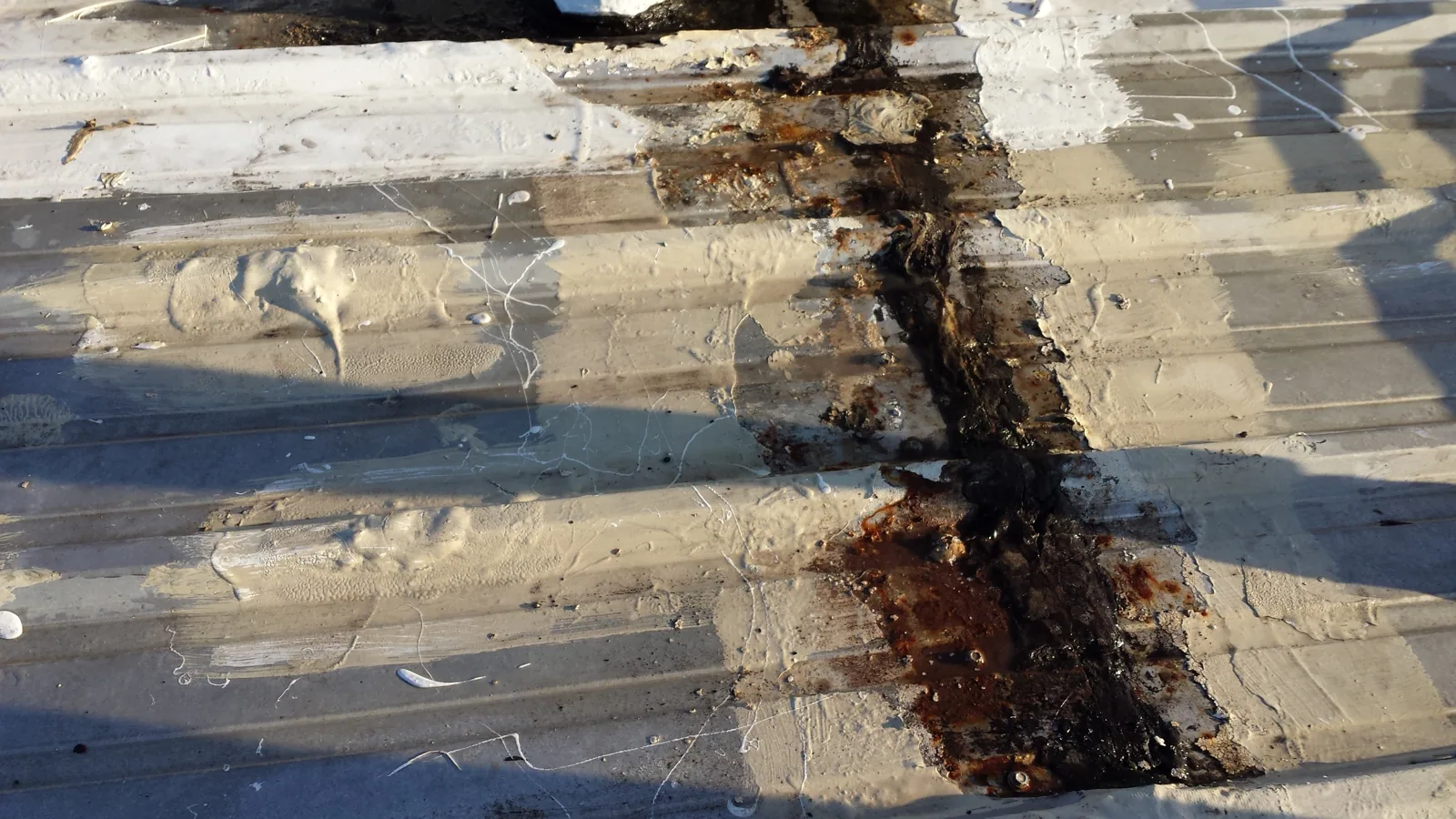
Color change, chalking, embrittlement, and surface cracking can show exposure, but none alone proves that a membrane has lost watertightness. We inspect laps and seams first, then follow the sheet to curbs, penetrations, wall terminations, and drains. At corners and changes in plane, movement can concentrate stress that a broad field reading misses. We note whether the surfacing is mineral, coated, or bare and confirm the system before selecting repair materials. If the roof plan identifies an older repair or coating, that record helps us look for a compatible transition without assuming the visible top layer tells the whole assembly.
Surface temperature changes can also affect when an inspection or repair is practical. We check the forecast, shade, and condition underfoot before choosing a work window, especially where access crosses a roof with exposed equipment or fragile details. A warm membrane may soften under traffic, and an older coating can show marks that resemble damage without indicating a leak path. The Diligence Notes describe what we touched, tested, or observed so a later visit can compare like conditions. We avoid treating one hot-afternoon surface reading as a full-season diagnosis.
Where can ultraviolet exposure open a leak path?
UV exposure can age exposed materials, while heat movement can work at seams, fasteners, and flashing transitions. We look for a lifted termination lap, brittle sealant, open corner, or separation around equipment supports, then check whether water staining or moisture readings extend beyond that point. The distinction matters: a local seam repair may suit sound material, while widespread surface loss, wet insulation, or repeated failure can require a larger review. A seam failure inspection follows the weld and nearby sheet, and flashing repair examines the vertical transition and termination.
Which repair matches the roof system?
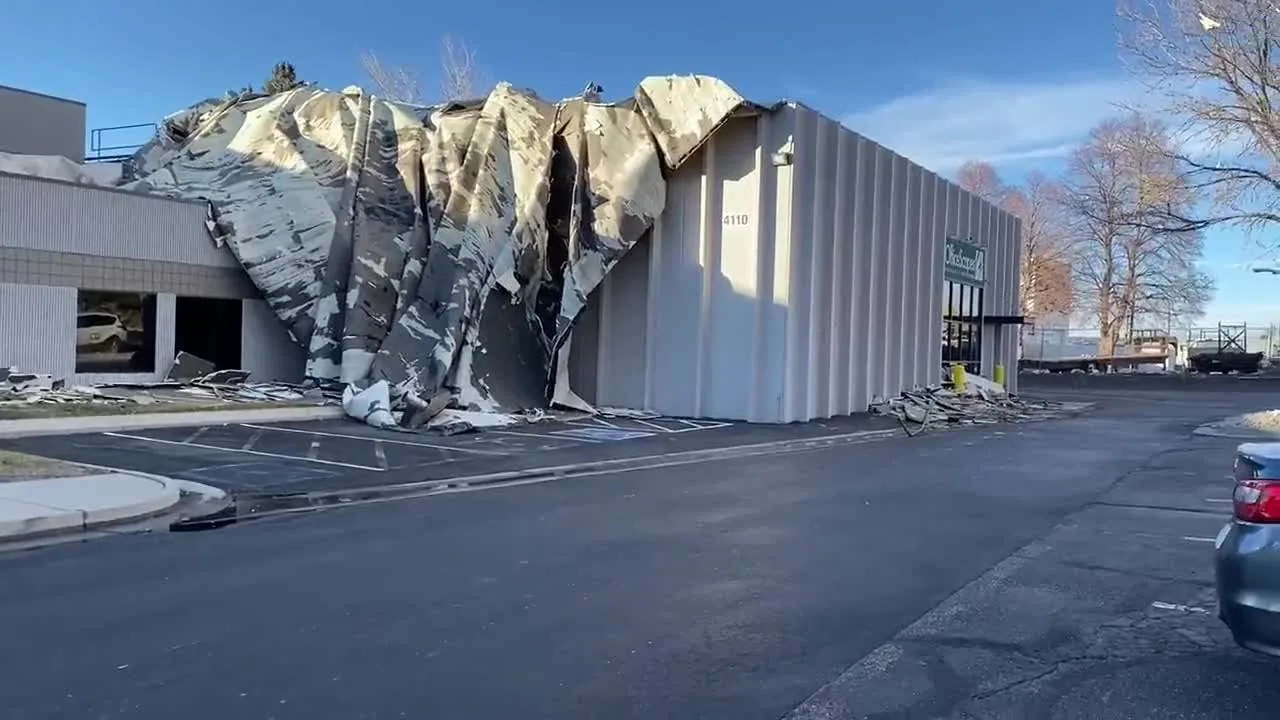
Repair materials depend on the installed membrane, coating chemistry, substrate condition, and the type of opening. TPO, PVC, EPDM, modified bitumen, and metal systems use different joining and flashing methods. We confirm the product and follow the compatible preparation process before applying a patch or replacement detail. A coating can extend serviceability only where the substrate, adhesion, drainage, and existing layers support it; it does not correct wet insulation or a failed drain. A coating evaluation can test those conditions, and a commercial roof repair scope can address a defined section without masking a broader assembly issue.
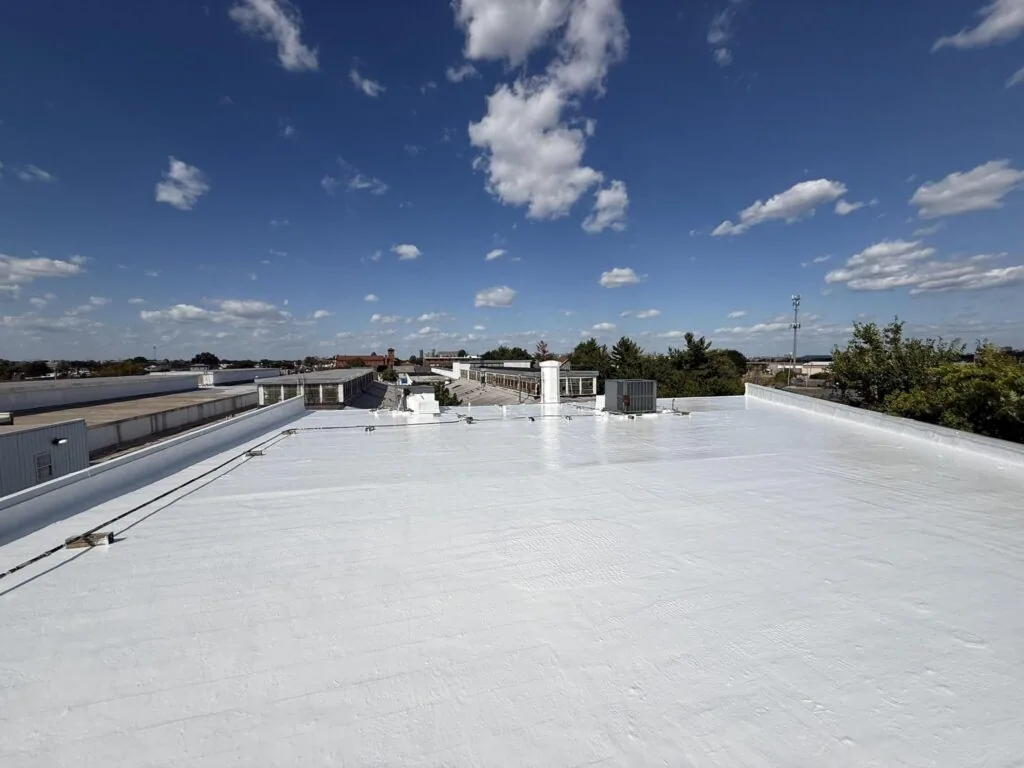
Where coating is under consideration, we examine adhesion with a test area and document the preparation method and cure requirements. We also check whether penetrations, drains, and perimeter terminations can be brought into the restored field without burying a defect. When existing layers do not bond or trapped moisture is present, applying more material can hide rather than solve the problem. The repair recommendation identifies what remains serviceable, what needs replacement, and what observation would change the scope. A manager can then compare a local repair with a staged capital project using the same roof-section record.
How do you schedule work on an active property?
Heat exposure can make roof surface conditions change through the day, while tenants, lab operations, deliveries, and rooftop equipment constrain access. We set the work window with the property contact, identify air intakes and service routes, and separate any noisy or odorous task from occupied areas as the material requires. Cambridge Crossing combines commercial, residential, dining, and retail uses; University Park in Lower Cambridgeport includes office, commercial, hotel, and residential uses. Those mixed uses call for clear staging and notification plans. A phased occupied-building plan can define daily work limits and the closeout condition before crews move to another roof section.
What changes repair timing and cost?
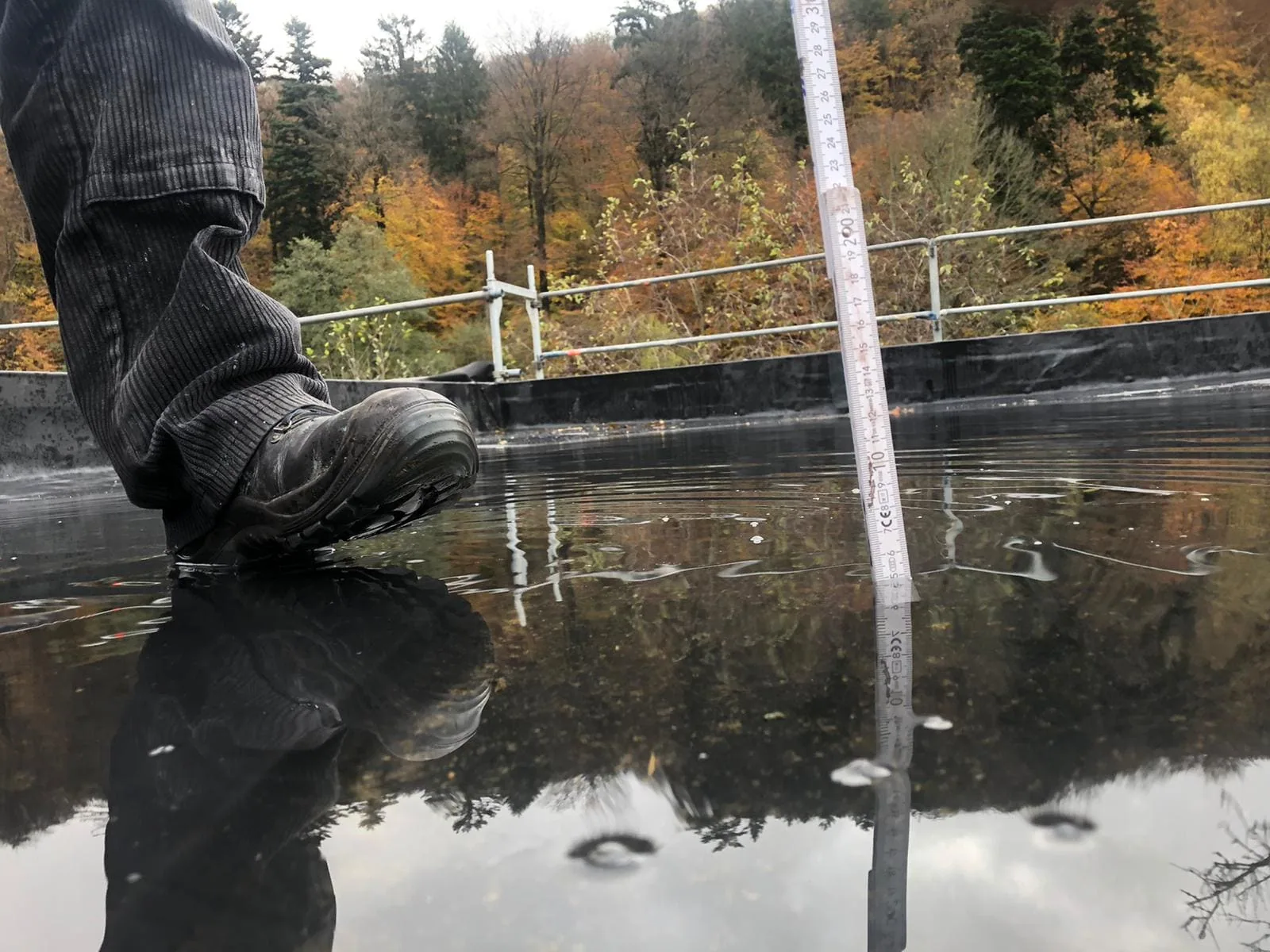
The damaged area, membrane type, number of transitions, moisture extent, access, and compatible material availability set the work sequence. Surface preparation and seam welding need suitable conditions; a damp substrate or unsuitable temperature can delay permanent work. We document any temporary closure separately and identify what needs a return visit. Cambridge's planning also identifies heavier precipitation and coastal storm-surge flooding as physical risks, so repair staging includes a dry-in plan and working drain paths. Our emergency roof response runs every hour of the week, including holidays, when an active opening needs attention. We can then set a permanent scope after testing and system identification.
What should a heat-damage record show?
For each affected roof section, the report records the membrane identification, surface condition, seam and flashing observations, moisture results, test openings, and repair limits. Closeout photos show the prepared surface and completed detail, not only the broad roof field. A roof condition report can track remaining wear and recommended follow-up, while scheduled roof maintenance checks exposed transitions and drainage before water enters the building. For work near Kendall Square or Lower Cambridgeport and University Park, the address and access contact help route the inspection; the findings remain tied to the actual roof.
Surface chalking or fading needs to be separated from a defect that has changed the roof's waterproofing. We compare exposed areas with shaded sections, inspect seam edges and penetrations, and look for cracking, shrinkage, blistering, or loss of coating thickness. A temperature reading from one afternoon does not establish the condition of the insulation or deck. If material has become brittle, the repair boundary should reach stable edges rather than stop at the most visible mark. We record the system, orientation, surface condition, nearby equipment, and test locations so a later visit can distinguish continued exposure from a new leak path. Coating is considered only after adhesion and substrate checks support it.
Commercial Roofing Questions
Does a faded roof surface need replacement?
Not by appearance alone. We inspect seams, flashings, penetrations, drainage, and moisture conditions, then identify whether wear is limited to the surface or affects the assembly. Repair, coating, recover, and replacement options depend on those findings.
Can an existing roof coating be renewed?
A test area can show whether a compatible new layer bonds to the existing coating. We also check adhesion, wet insulation, drain height, and the condition of seams and flashings. If those conditions do not support restoration, the report explains the limits.
Will a small UV crack stay a small repair?
The surrounding sheet and substrate determine the boundary. We inspect beyond the visible crack for brittle material, seam separation, or moisture, then photograph and mark the repair area. A larger affected field can change the scope.
Can heat-damaged roofing work proceed around lab or office operations?
Yes, with a property-specific sequence. We coordinate access, air intakes, service routes, staging, and material handling with the site contact, then set daily closure points that fit the work and the building's operating window.
What records help assess heat and UV wear?
Send the Cambridge address, roof plan, membrane or coating records, prior repair history, reported leak locations, and an access contact. Those details help us identify the assembly and inspect the roof section with the right repair materials in mind.
Related Roofing Work
More Roof Damage Repair
Browse every page in Roof Damage Repair, or request a roof assessment and we will walk the roof with you.
Arrange a roof exposure assessment
Send the Cambridge property address, roof plan or system records, reported condition, access contact, and available work window. We will document the affected roof section and explain which repair boundary the evidence supports.