
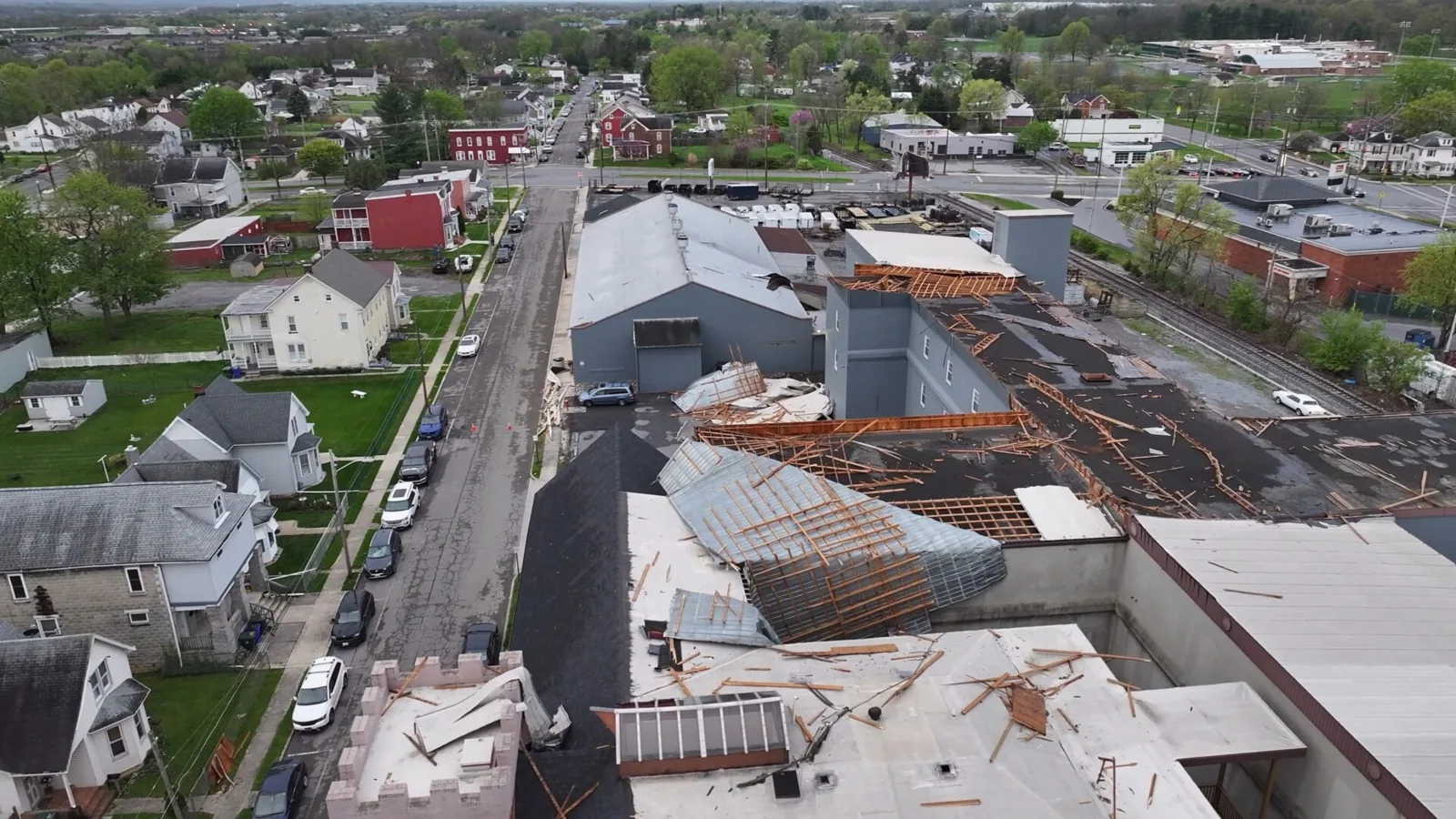
Storm Damage Roof Repair in Cambridge, MA
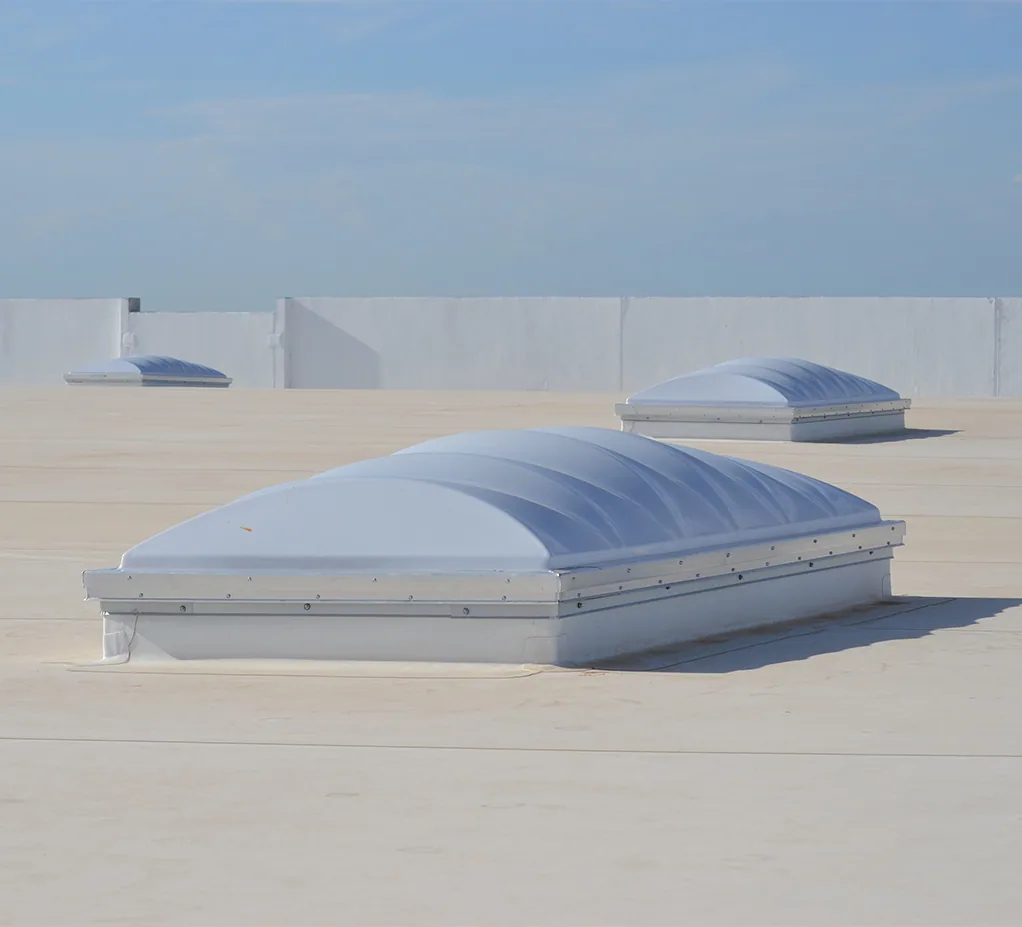
Repair commercial roof damage after a Cambridge storm. We document displaced details, water entry, drainage, and temporary protection by roof section.
A loose coping joint can admit wind-driven rain even when the roof field looks intact. After a storm in Cambridge, MA, we inspect the edges, membrane, penetrations, and drainage path before setting a repair boundary. City resilience planning identifies more intense storms and heavier precipitation as local risks, and Cambridge winter guidance describes more frequent flooding. Those conditions make a clear record of water entry and overflow important, but the inspection still has to verify damage at the property. A building at Cambridge Crossing or in the Alewife district may have different roof heights and access controls. We document visible movement, secure immediate openings where appropriate, and separate temporary protection from permanent repair.
What should be checked after the weather clears?
We begin with the reported time, affected rooms, roof access, and any visible debris or displaced material. On the roof, we look at perimeter metal, coping joints, seams, flashing, skylights, equipment curbs, drains, and scuppers. A lifted edge can show where wind pressure moved a detail; a puncture may point to impact; standing water can reveal a drainage obstruction. We photograph the roof section and nearby transitions before moving debris or temporary material.
Inside observations are recorded separately from roof findings. A ceiling stain may be consistent with water entry, but the location alone does not establish the roof source. We trace toward the nearest seams, penetrations, walls, and drains, then identify any test opening or follow-up inspection that would narrow the path. The report distinguishes storm-related damage confirmed during the visit from pre-existing wear or conditions that cannot be dated from appearance. A focused leak investigation can follow if water entry remains active or the source is uncertain.
When does temporary protection come first?
An open roof area, loose metal, or active interior leak may need immediate containment before a full repair can be designed. We assess safe access, identify any falling-material or electrical hazard, and protect the interior in coordination with building staff. Temporary tarping or dry-in is used only where it can be secured safely and will not create another exposure. We tell the property contact which area is protected and what remains unconfirmed.
Cambridge's climate assessment points to heavier precipitation and more intense storms, which can shorten the time between temporary protection and permanent repairs when another system moves through. The actual schedule depends on surface moisture, temperature, wind, and material requirements. If the roof cannot take a lasting repair during the first visit, we note the limit and return when conditions allow. Our around-the-clock emergency response can address urgent openings and coordinate the next permanent scope.

How do you separate storm damage from wear?
Storm evaluation compares the current condition with maintenance records, previous photographs, and the affected area. A fresh tear, displaced cap, or puncture may have a visible boundary; brittle sealant or repeated seam separation may reflect a longer-term condition. We describe observable evidence and do not assign a storm date to a defect when the surface cannot support that conclusion. If the owner has pre-storm photographs or service records, those can help establish what changed.
At Cambridge Crossing, commercial, residential, dining, and retail uses share one East Cambridge development. Kendall Square pairs research and biotechnology activity with residences, lodging, restaurants, and stores. The fact that a nearby building had damage does not establish damage on another roof. We identify the exact property and section, then record each observation independently. The field report can connect confirmed damage to a commercial repair scope and list maintenance or testing items separately. This keeps a claim or work order tied to the evidence from the inspected building.
Which details commonly control the repair?
Wind and water can load roof edges and transitions differently from the middle of a field. We inspect perimeter metal, coping cleats, termination bars, wall flashing, curb corners, and seams for movement. A repair may require replacing a damaged section of metal and rebuilding the membrane termination, not merely adding sealant to the visible joint. At a drain, we look for debris, displaced strainers, and damage to the membrane around the bowl. The written scope names the components addressed and those left outside it.
Cambridge's city-reported increase in freeze-thaw swings and heavier precipitation makes it useful to check the overflow route after the immediate damage is stabilized. At Alewife, municipal planning identifies relatively greater flood risk in future surge scenarios, so we note whether site access and discharge routes remain usable. Those facts guide the inspection focus without substituting for direct findings. A coping and edge-metal repair or a drain and scupper correction may be part of the scope when the inspected detail supports it.
What documentation helps the next decision?
The storm record includes the reported event timing, interior locations, roof-section map, photographs, temporary measures, and confirmed repairs. It notes limits such as unsafe access, standing water, or materials that could not be opened. We identify the basis for any repair recommendation and preserve images of the surrounding details. If additional testing is needed, the record marks the test location and the question it is meant to answer.
The owner can compare the file with earlier maintenance photos and decide whether to authorize repair, testing, or a larger scope. For a mixed-use property near Cambridge Crossing, the report should identify the specific building and access route rather than treat the district as one roof. A condition report can keep the evidence together for property staff and any claim review. Follow-up maintenance can revisit the same edges, drains, and openings after repairs are complete.
A storm file should preserve the condition as soon as access is safe, then keep later repair evidence in the same roof-section record. We identify displaced metal, punctures, open seams, debris, and any area that remained hidden beneath temporary protection. If older wear or a previous patch sits beside the reported damage, we photograph it separately rather than grouping it under one cause. Measurements are labeled with the method used, and any moisture or deck test stays tied to its sample location. The final file records temporary stabilization, permanent work, and remaining inspection needs so the owner can evaluate what changed without assuming a single event explains every roof condition.
Commercial Roofing Questions
Can you tell whether a defect came from the last storm?
Sometimes the roof shows a distinct tear, impact, or displaced component, but appearance alone may not establish timing. We compare the current condition with earlier photographs and maintenance notes, then record what is confirmed and what remains undated.
Should we wait for the roof to dry before calling?
Report active water entry or loose material promptly. We can coordinate interior protection and a safe assessment, then decide whether conditions allow permanent repair. A wet surface may require temporary dry-in and a return visit for proper preparation.
Will the storm inspection prepare documents for a claim?
We can document visible conditions, photographs, repairs, and roof-section locations for the property record. The report describes roofing observations and does not decide insurance coverage. Any claim submission or coverage determination remains with the policyholder and insurer.
What if damage is found beside an older repair?
We photograph both the new condition and the prior repair, then inspect the transition between them. If the old work has separated or concealed moisture is suspected, we note the additional test or removal needed before expanding the authorized repair.
Can the crew make a permanent repair on the first visit?
A permanent repair is possible when the source is clear, access is safe, and the surface meets the material requirements. If rain, wind, moisture, or concealed damage prevents that work, we protect the opening and document what has to happen next.
Related Roofing Work
More Commercial Roofing Services
Browse every page in Commercial Roofing Services, or request a roof assessment and we will walk the roof with you.
Record the storm condition by roof section
Send the Cambridge address, reported room or roof area, event timing, roof access contact, and available maintenance photographs. We will assess the affected details and outline temporary protection, confirmed repairs, and follow-up testing.